Meteorological environment monitoring equipment supplier
Insist on doing high-precision customer favorite technology products

Meteorological environment monitoring equipment supplier
Insist on doing high-precision customer favorite technology products

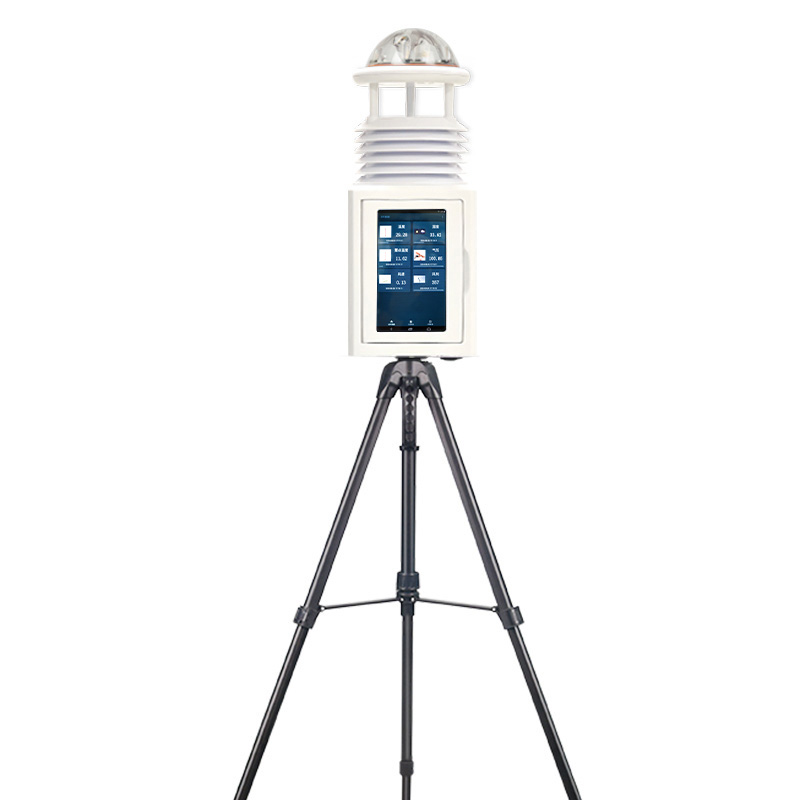
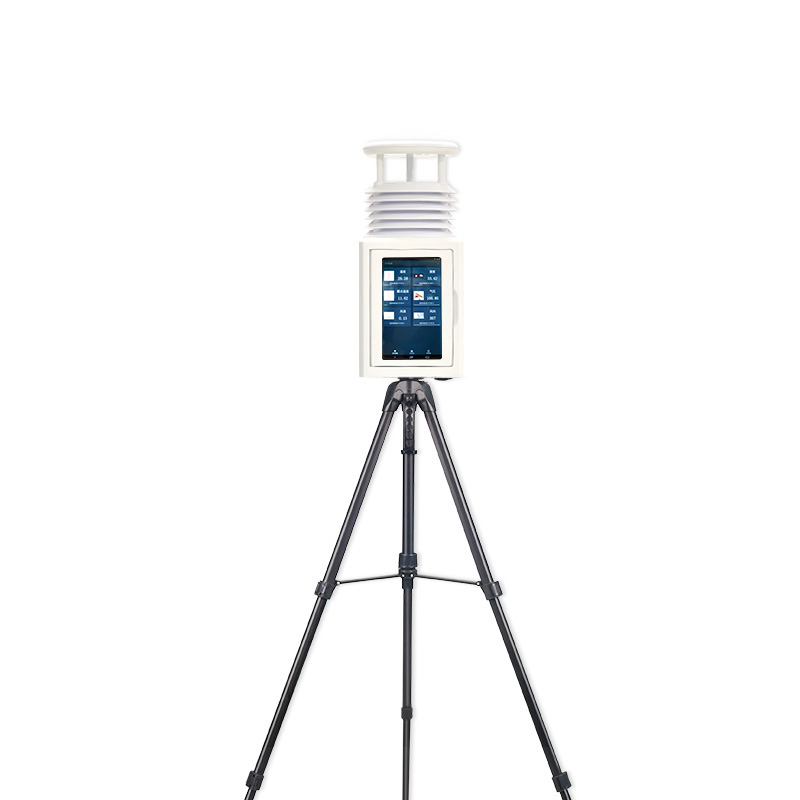
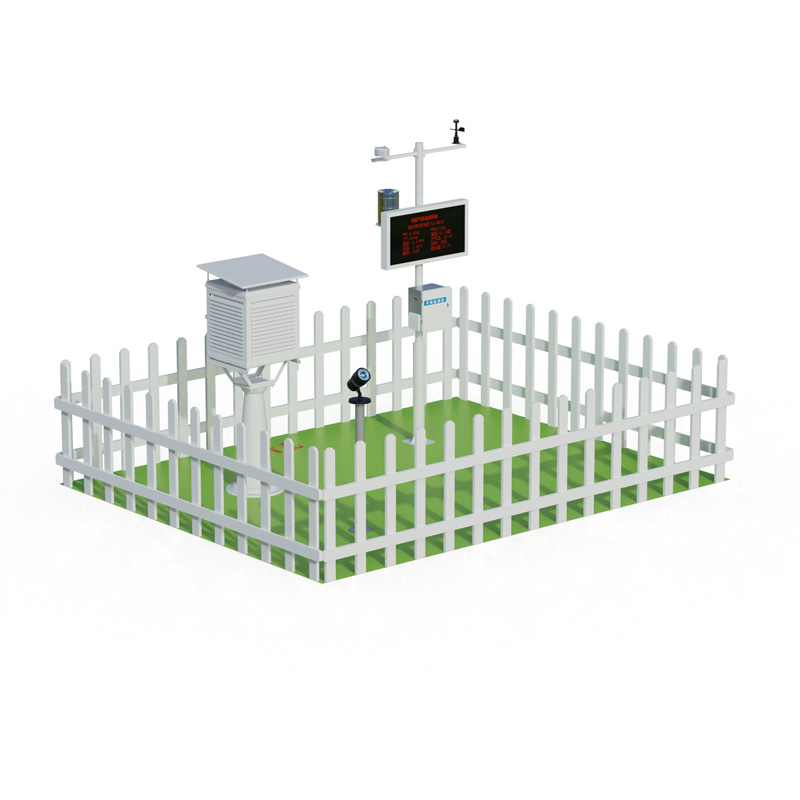
A school weather station's equipment includes meteorological sensors for temperature, humidity, wind speed and direction, air pressure, and rainfall; data loggers; pole supports; equipment boxes; LED screens; a cloud platform; and auxiliary facilities such as fiberglass Stevenson screens, forming a complete meteorological observation system to meet teaching and research needs.
A school weather station is a meteorological observation facility designed to optimize the campus science and technology education environment. Its equipment configuration varies depending on teaching needs and observation objectives. A complete school weather station typically consists of meteorological sensors, data loggers, data transmission equipment, data processing software, and auxiliary facilities.
Meteorological sensors are the core measuring components of a school weather station. Temperature and humidity sensors are used to monitor air temperature and relative humidity in real time and are usually installed in a Stevenson screen to avoid direct sunlight and rain interference. Anemometers, consisting of a three-cup anemometer and a wind vane, measure wind speed and direction. Rain gauges or tipping bucket rain gauges record precipitation. Barometers continuously monitor atmospheric pressure, providing a basis for weather change forecasting. Some school weather stations are also equipped with extended equipment such as ultraviolet radiation sensors, sunroofs, and soil temperature and humidity probes.
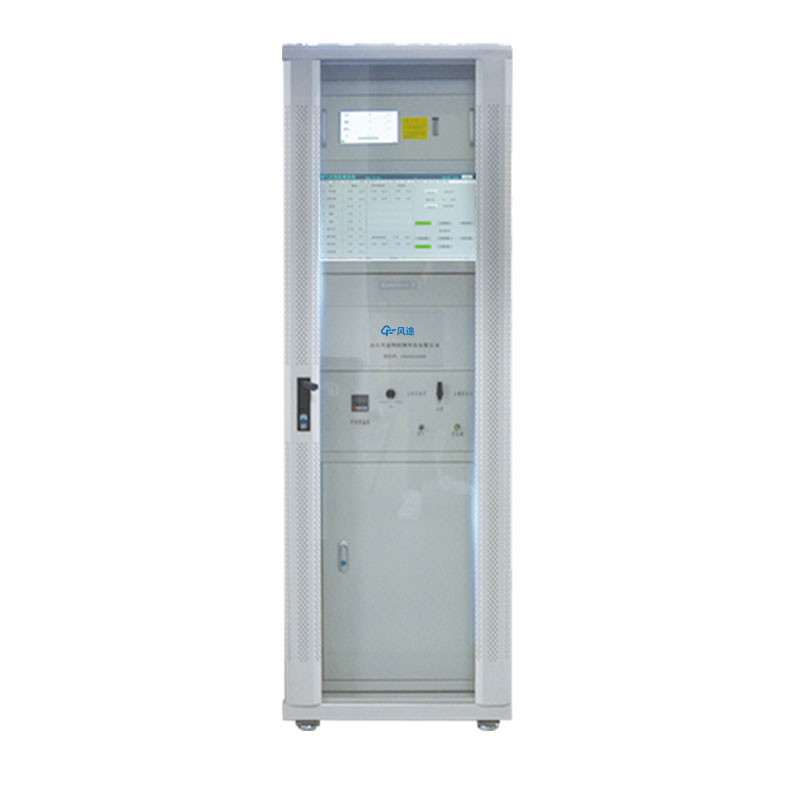
Data acquisition and transmission equipment ensures the automatic recording and remote viewing of meteorological data. The data logger is the core device, responsible for converting analog signals from various sensors into digital signals and automatically storing them. Data transmission supports multiple communication methods such as RS232, RS485, and GPRS, and can upload data to a cloud platform. LED screens are installed on campus to display current meteorological data in real time.
Auxiliary facilities ensure the normal operation of the weather station and its use in teaching. Stainless steel poles are used to fix various sensors and equipment. Equipment boxes protect the loggers and power supply system from environmental damage. Fiberglass Stevenson screens house manual observation instruments such as dry-bulb and wet-bulb thermometers; their louvered structure ensures free air circulation while preventing direct sunlight. A fence surrounds the weather station site for safety protection. The power supply system can use mains power or solar power.
The school's weather station incorporates both automated sensors and data acquisition systems, as well as manual observation instruments such as wet-bulb and dry-bulb thermometers, maximum and minimum temperature meters, electrically connected anemometers, and sunshine meters, to meet students' hands-on teaching needs. This combination of automated and manual observation makes the school's weather station a comprehensive platform integrating scientific research, monitoring, and teaching practice.
Sales Manager:Ms. Emily Wang
Tel, Whatsapp:+86 15898932201
Email:info@fengtutec.com
Add:No. 155 Optoelectronic Industry Accelerator, Gaoxin District, Weifang, Shandong, China