Meteorological environment monitoring equipment supplier
Insist on doing high-precision customer favorite technology products

Meteorological environment monitoring equipment supplier
Insist on doing high-precision customer favorite technology products

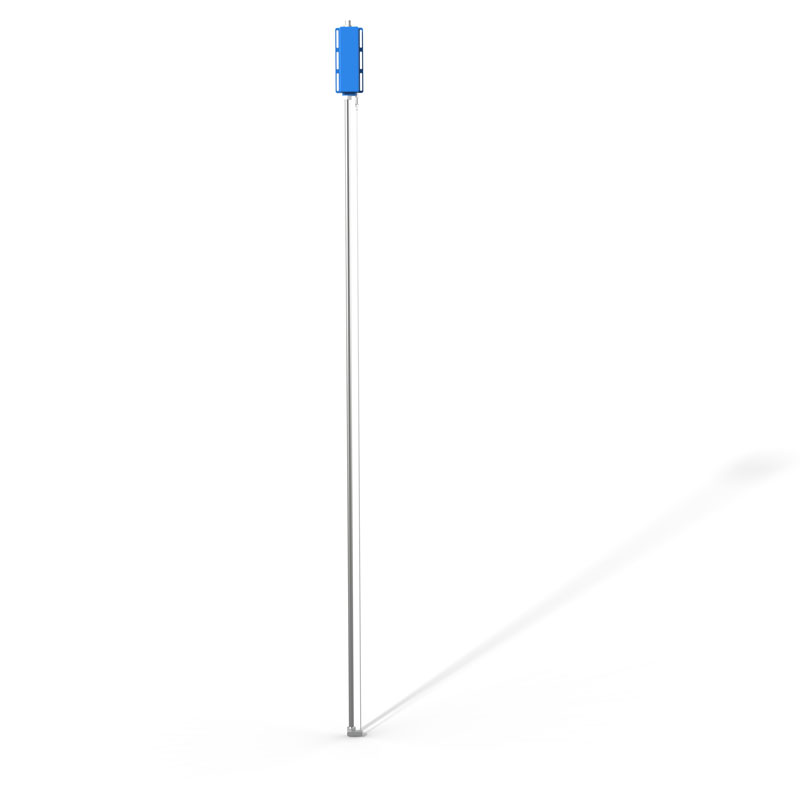
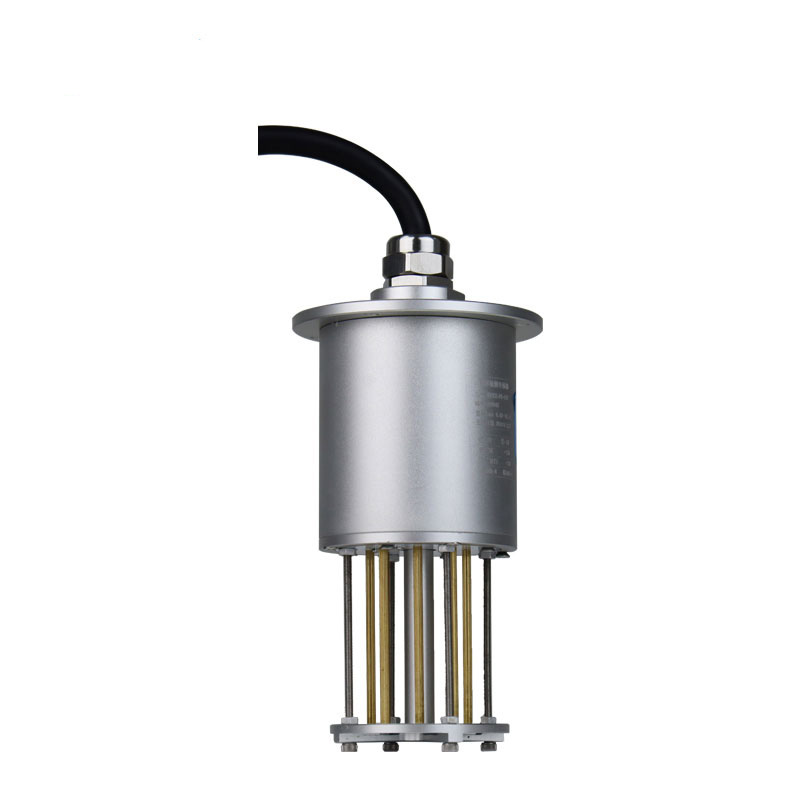
Based on microwave detection technology, Ice sensor calculates ice thickness by analyzing frequency shift and temperature data. This sensor outputs an icing alarm signal in real time and automatically triggers de-icing equipment. It is suitable for monitoring wind turbine blades and cables, reducing downtime in severe weather and improving the reliability of power equipment operation.
Ice sensor is specifically designed to monitor icing on the surface of outdoor power equipment. Based on microwave detection technology, this sensor sends a microwave signal of a specific frequency and receives the reflected wave. It calculates the equivalent thickness of the ice layer based on the frequency shift and amplitude attenuation of the reflected signal. Compared to traditional image recognition or resistive detection methods, microwave detection is unaffected by polluted or humid air and can distinguish between ice, frost, and liquid water, reducing the probability of false alarms caused by environmental factors.
Ice sensor integrates a temperature sensing element to record ambient temperature values in real time. The icing process is directly related to the rate of temperature change. The temperature analysis module compares the current temperature with historical temperature curves, excluding invalid data in areas above zero degrees Celsius. When the ice thickness calculated by microwave detection exceeds a preset safety threshold, the sensor outputs a multi-level alarm signal via a digital interface. This signal is divided into two levels: warning and action. The warning level alerts maintenance personnel to monitor weather changes, while the action level signal is directly transmitted to the de-icing system controller to initiate heating or mechanical de-icing procedures.
Ice sensor is suitable for various power equipment. In wind turbine generators, the sensor can be installed on the top of the nacelle or in the middle of the tower to monitor the icing status of the blades and casing in real time. For power transmission cables, the sensor can be spaced along the conductors to monitor icing across lines. Icing data can also be acquired through the sensor for cooling tower inlet and outlet pipes and ventilation louvers, outdoor antennas of communication base stations, and outdoor terminal boxes in substations. In each application scenario, the sensor can independently calculate the thickness and output the corresponding signal without secondary processing by the main control system.
Real-time data acquisition and transmission are fundamental to the sensor design. The sensor collects microwave signals and temperature values at a data refresh rate of once per second. After processing by an internal microprocessor, the ice thickness data is transmitted externally via standard Modbus protocol or a 4-20mA current signal. The data is collected at the monitoring master station via fiber optic or wireless network and displayed on a graphical interface. When the ice thickness continues to increase and reaches a user-defined threshold, the sensor's built-in alarm logic issues an audible and visual alert locally, while simultaneously sending an alarm message to the dispatch center via the network. Upon receiving the alarm information, the power department can remotely view the ice thickness change curve at the monitoring point and assess the specific degree of hazard posed by the current icing to line safety. The execution of de-icing commands relies on accurate data provided by the sensor, which ensures that the de-icing system is activated only when necessary, thereby reducing energy consumption and mechanical wear on the equipment. In actual operation, this icing sensor can continuously operate in low-temperature environments down to -40 degrees Celsius, and its protection level meets outdoor waterproof and dustproof requirements, providing a reliable monitoring method for the safe operation of power equipment in harsh winter weather conditions.
Sales Manager:Ms. Emily Wang
Tel, Whatsapp:+86 15898932201
Email:info@fengtutec.com
Add:No. 155 Optoelectronic Industry Accelerator, Gaoxin District, Weifang, Shandong, China