Meteorological environment monitoring equipment supplier
Insist on doing high-precision customer favorite technology products

Meteorological environment monitoring equipment supplier
Insist on doing high-precision customer favorite technology products

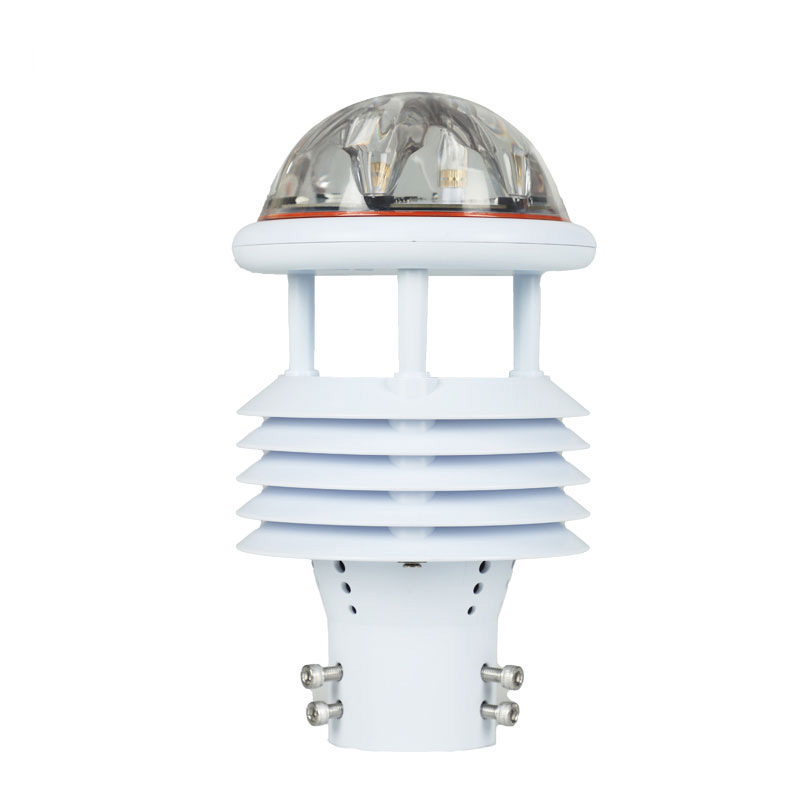
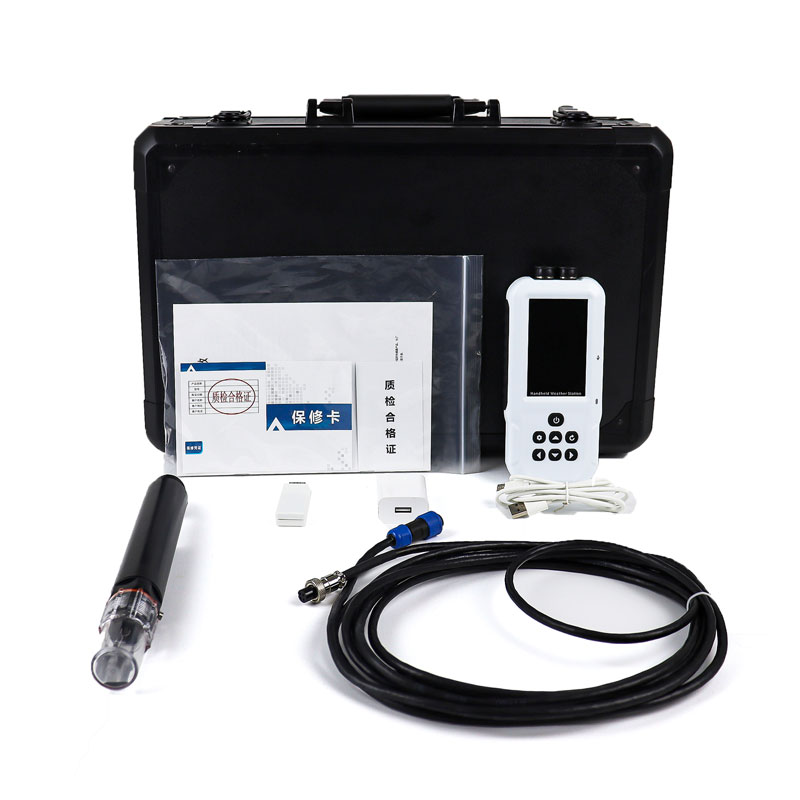
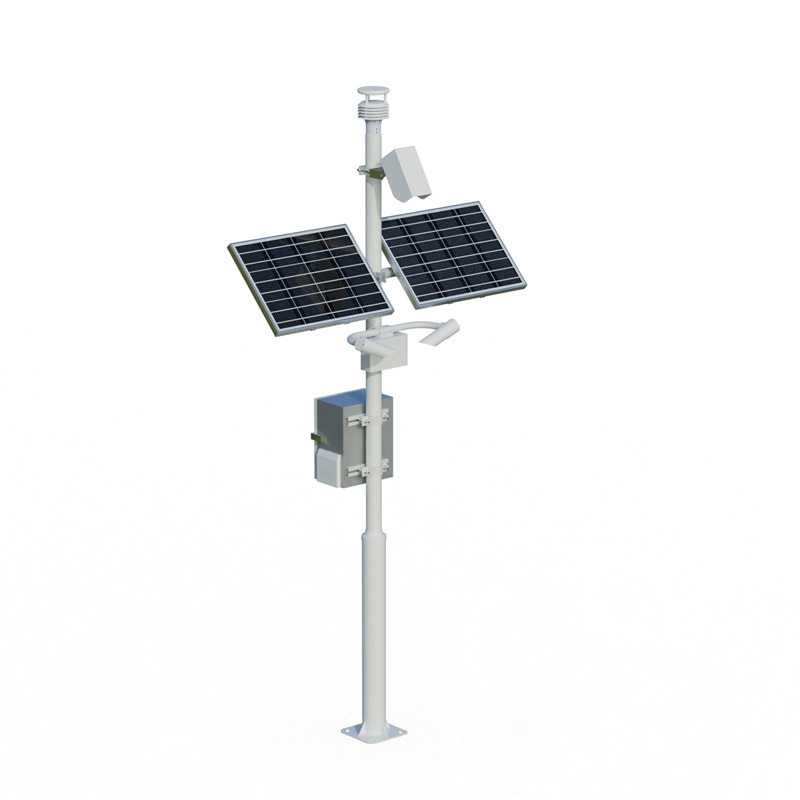
Dedicated meteorological monitoring equipment for highways continuously acquires weather data along the traffic route, providing real-time monitoring of visibility, wind speed, wind direction, temperature, humidity, atmospheric pressure, rainfall, and road surface conditions. This provides timely and accurate meteorological information services to safety authorities and the public.
The safe operation of highways highly depends on the real-time understanding of weather conditions along the route. Meteorological monitoring equipment specifically designed for this purpose constitutes critical infrastructure for ensuring smooth traffic flow and driving safety. These devices are typically deployed at fixed intervals along critical sections, such as elevated bridges, tunnel entrances and exits, mountain valleys, and areas prone to fog, forming a continuous meteorological observation network. Their core function is to achieve synchronous and automated collection and transmission of various meteorological elements.
The monitored meteorological parameters directly relate to driving risks. Visibility data is the direct basis for warning against low-visibility weather conditions such as fog, haze, and heavy rainfall. Monitoring wind speed and direction is crucial for sections with significant crosswinds, providing warnings of crosswind risks and preventing vehicle loss of control. Temperature monitoring not only serves the public but also accurately determines road icing conditions; when the temperature drops near freezing, the system can issue an icing warning. Humidity parameters, combined with temperature data, help analyze the formation and dissipation trends of fog. Changes in atmospheric pressure are one of the reference indicators for predicting large-scale weather changes. Rainfall sensors provide minute-by-minute to hourly precipitation intensity data, which is fundamental for assessing road slipperiness and the risk of heavy rain and flooding. In addition, some advanced systems also integrate non-contact road surface sensors to directly identify road surface conditions such as dry, wet, icy, and snowy.
This real-time data is transmitted via wired or wireless communication networks to the command platform of the highway monitoring center. The platform software integrates and analyzes the data, and if any parameter exceeds the preset safety threshold, the system automatically triggers an early warning mechanism. Safety management departments can then activate corresponding emergency plans based on the warning level, such as displaying speed limit reminders and dangerous road section warnings on variable message signs, or coordinating with road administration and traffic police departments to take measures such as closing lanes or implementing temporary traffic control. Simultaneously, this information is disseminated to the public through channels such as traffic radio, mobile applications, and websites, helping drivers plan their routes in advance, adjust their itineraries, or increase their vigilance while driving.
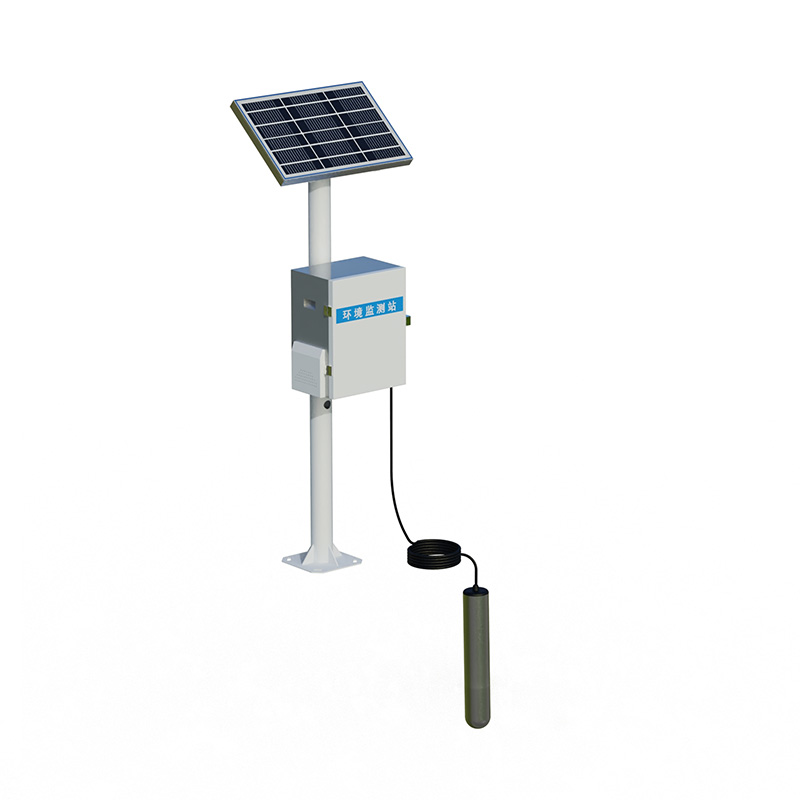
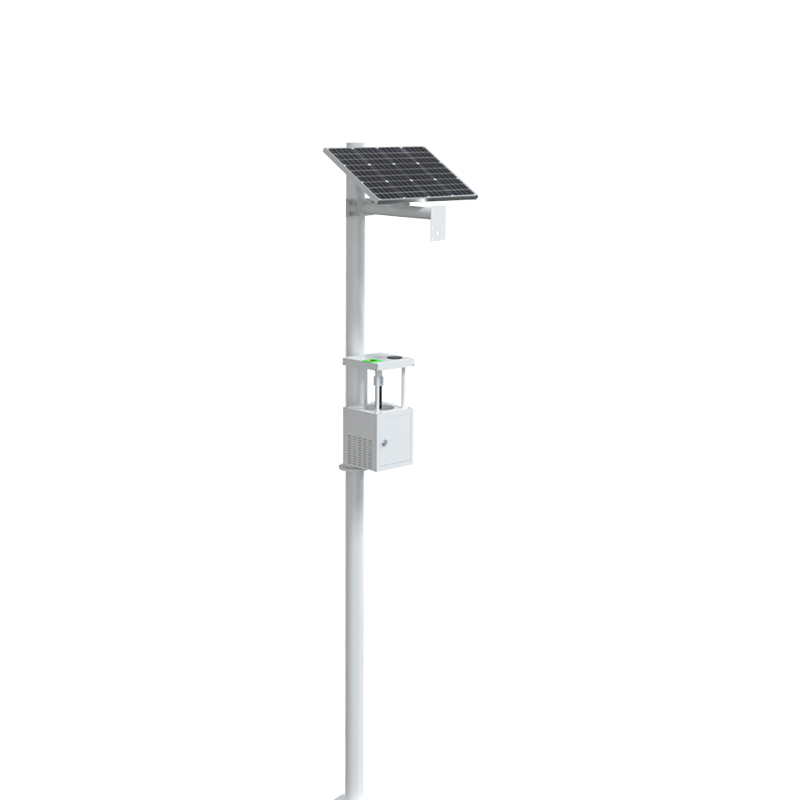
The design of the dedicated monitoring equipment fully considers the harsh environment of highways. They possess high reliability, weather resistance, and anti-interference capabilities, enabling them to operate stably for extended periods under conditions of high-frequency vibration, vehicle exhaust, dust pollution, and extreme temperatures. The low-power design and solar power supply solutions also address the reality of limited power access in some remote road sections. Their installation structure is typically gantry-type or pole-mounted, ensuring that the sensors are at the optimal observation height without affecting road clearance and vehicle traffic.
Building a comprehensive highway meteorological monitoring network is a crucial measure to enhance the proactive prevention and control capabilities of modern transportation. It represents a shift from passively responding to adverse weather conditions to proactive early warning and pre-emptive deployment, significantly reducing the accident rate caused by severe weather conditions, improving road network efficiency and emergency response speed, and providing solid technical support for safe travel for the public. Continuously optimizing the density of monitoring stations, data accuracy, and intelligent analysis capabilities will be an important direction for the future development of intelligent transportation.
Sales Manager:Ms. Emily Wang
Tel, Whatsapp:+86 15898932201
Email:info@fengtutec.com
Add:No. 155 Optoelectronic Industry Accelerator, Gaoxin District, Weifang, Shandong, China