Meteorological environment monitoring equipment supplier
Insist on doing high-precision customer favorite technology products

Meteorological environment monitoring equipment supplier
Insist on doing high-precision customer favorite technology products

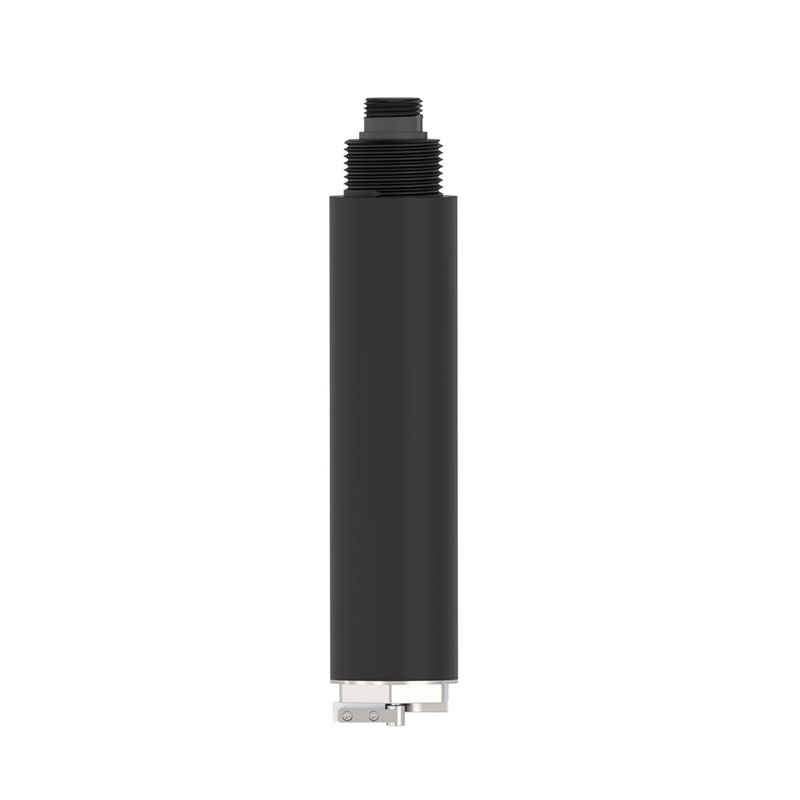
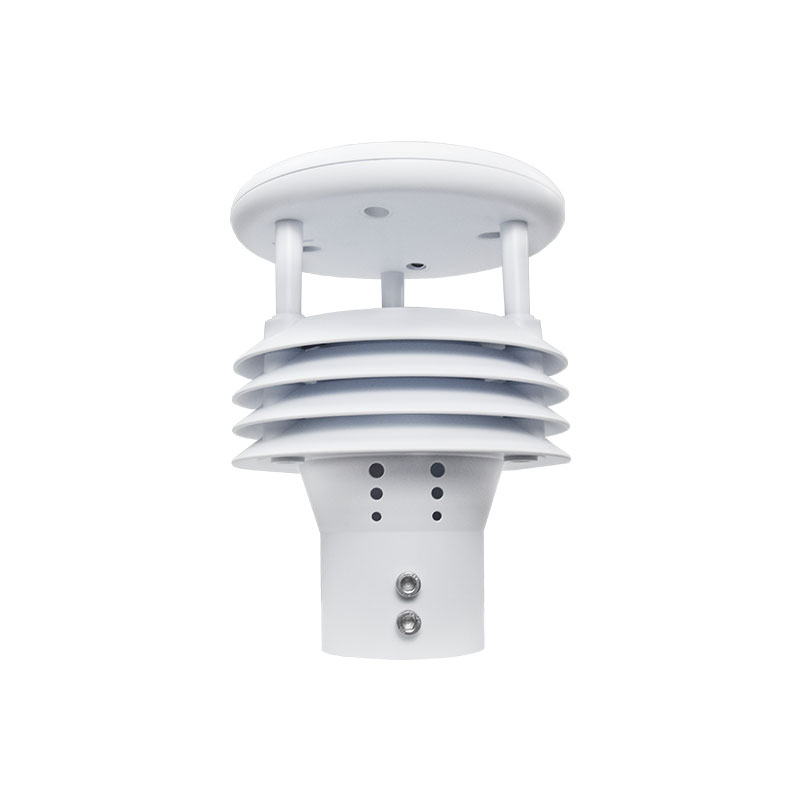
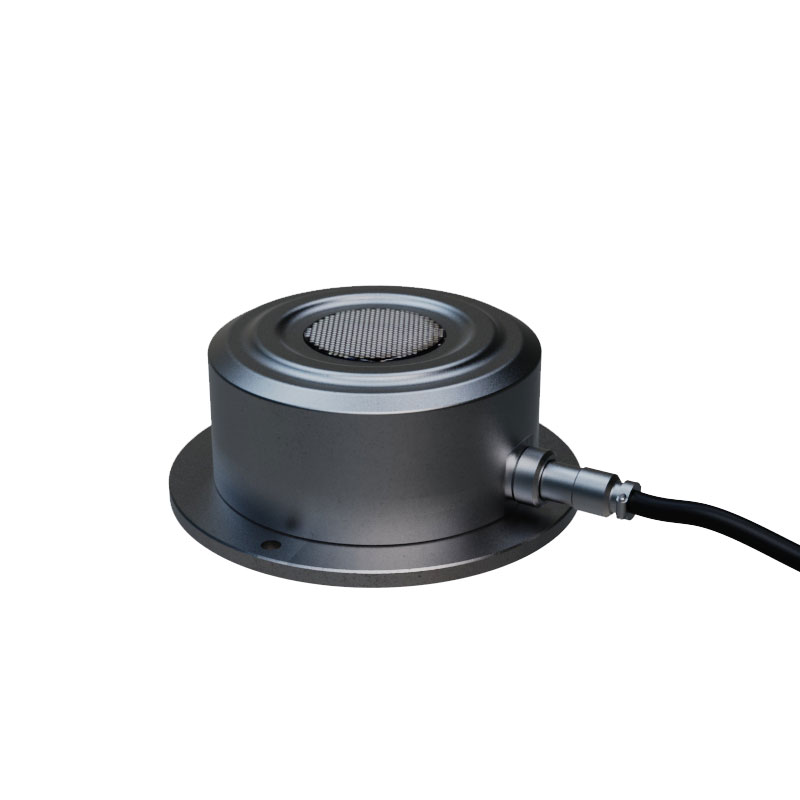
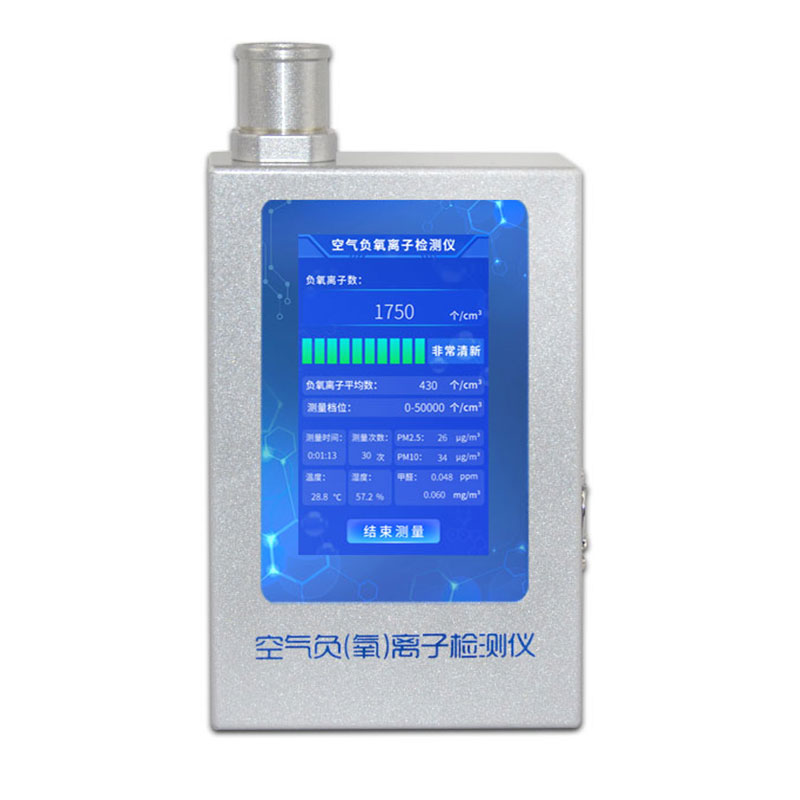
The multifunctional environmental negative ion detector is a high-precision air analysis instrument capable of simultaneously measuring negative oxygen ions, formaldehyde, PM2.5, PM10, and ambient temperature and humidity. Utilizing a cylindrical capacitance capture mechanism, the device ensures stable measurements, rapid response times, and highly accurate data.
In the monitoring of ecological scenic areas and indoor air quality, negative oxygen ion concentration is a widely scrutinized metric. The core device for obtaining this data is the multifunctional environmental negative ion detector. Such instruments not only measure negative oxygen ions but also simultaneously detect formaldehyde, inhalable particulate matter, and environmental temperature and humidity, thereby providing users with a comprehensive solution for air quality assessment.
The key technology underpinning the multifunctional environmental negative ion detector is its cylindrical capacitance structure. The instrument houses a cylindrical ion collector, the inner walls of which are lined with polarizing electrodes. Upon activation, a built-in fan draws external air into the collector at a constant velocity. Under the influence of the polarizing electric field, negative oxygen ions present in the air are deflected and subsequently adsorbed onto the collection plate. The electrical charge captured by the collection plate undergoes amplification and analog-to-digital conversion; this data is then processed via the instrument's internal algorithms to statistically calculate the final concentration—specifically, the number of negative oxygen ions per cubic centimeter of air. This entire process is known as the capacitive aspiration method. Compared to earlier designs featuring parallel-plate electrode structures, the cylindrical capacitance structure offers a more uniform airflow channel and significantly reduced electrode edge effects, resulting in superior measurement repeatability and faster response times—requiring only a few seconds from power-on to the display of a stable reading.
In addition to negative oxygen ion concentration, multifunctional environmental negative ion detectors typically integrate electrochemical formaldehyde sensors and laser-based particulate matter sensors. The formaldehyde sensor determines concentration by detecting the redox current generated by the gas at the electrodes, capable of resolving changes as minute as 0.01 mg/m³. The laser particulate matter sensor, conversely, utilizes the principle of Mie scattering to perform real-time counts of PM2.5 and PM10 particles. All collected data is consolidated and displayed on a single screen; furthermore, select models offer data storage and export capabilities.
In practical application, users need only power on the device and position it in the center of the environment under assessment—ensuring it is situated at an appropriate distance from the floor and walls—and wait for the readings to stabilize before recording the data. In natural environments such as forests and wetlands, the detector facilitates the quantification of ambient air quality; for newly renovated offices or residences, the device simultaneously monitors for excessive formaldehyde levels and assesses negative oxygen ion concentrations. By covering multiple parameters within a single unit, the device eliminates the inconvenience of carrying multiple instruments, thereby rendering air quality analysis more efficient and comprehensive. Ultimately, the accuracy and stability of the measurement data depend on the core cylindrical capacitive structure and the subsequent signal processing algorithms.
Sales Manager:Ms. Emily Wang
Tel, Whatsapp:+86 15898932201
Email:info@fengtutec.com
Add:No. 155 Optoelectronic Industry Accelerator, Gaoxin District, Weifang, Shandong, China