Meteorological environment monitoring equipment supplier
Insist on doing high-precision customer favorite technology products

Meteorological environment monitoring equipment supplier
Insist on doing high-precision customer favorite technology products

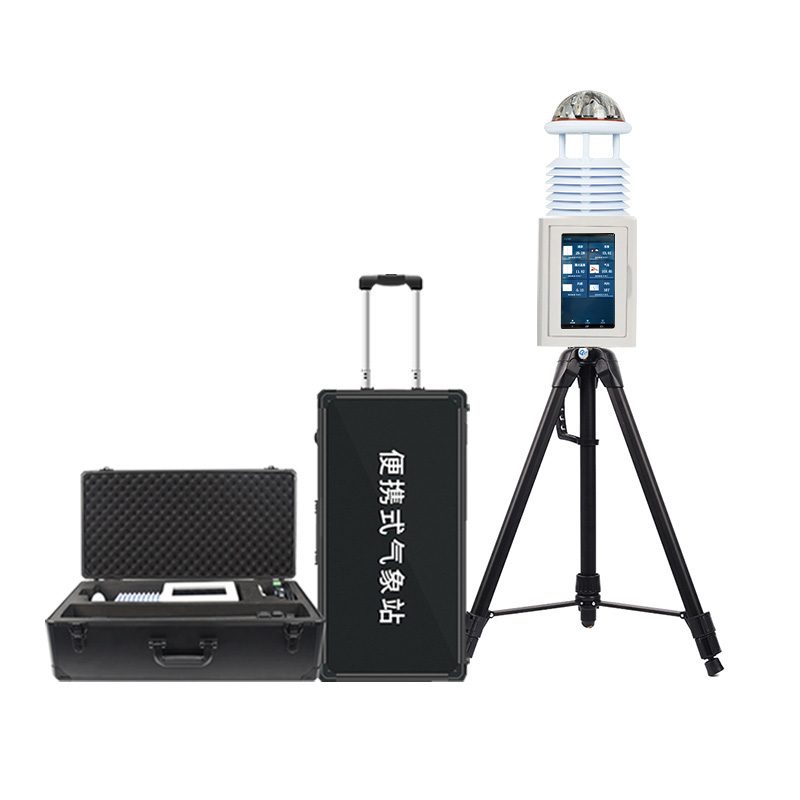
Popular science weather station is designed specifically for educational settings, integrating multi-element sensors with interactive teaching modules. By monitoring meteorological data—such as temperature, humidity, and wind speed—in real time, and by utilizing a cloud platform and LED display, it transforms abstract meteorological concepts into tangible, hands-on experiences for students, thereby effectively enhancing their scientific inquiry skills.
In recent years, an increasing number of secondary schools have begun introducing campus weather stations as a vital supplementary tool for geography instruction. Traditional meteorology education often remains confined to textbooks and slideshows, leaving students without an intuitive grasp of concepts such as weather fluctuations and climate formation. The advent of campus weather stations has revolutionized this situation by seamlessly integrating data collection, real-time monitoring, and educational visualization, allowing students to engage with professional-grade meteorological observation equipment right within their own school grounds.
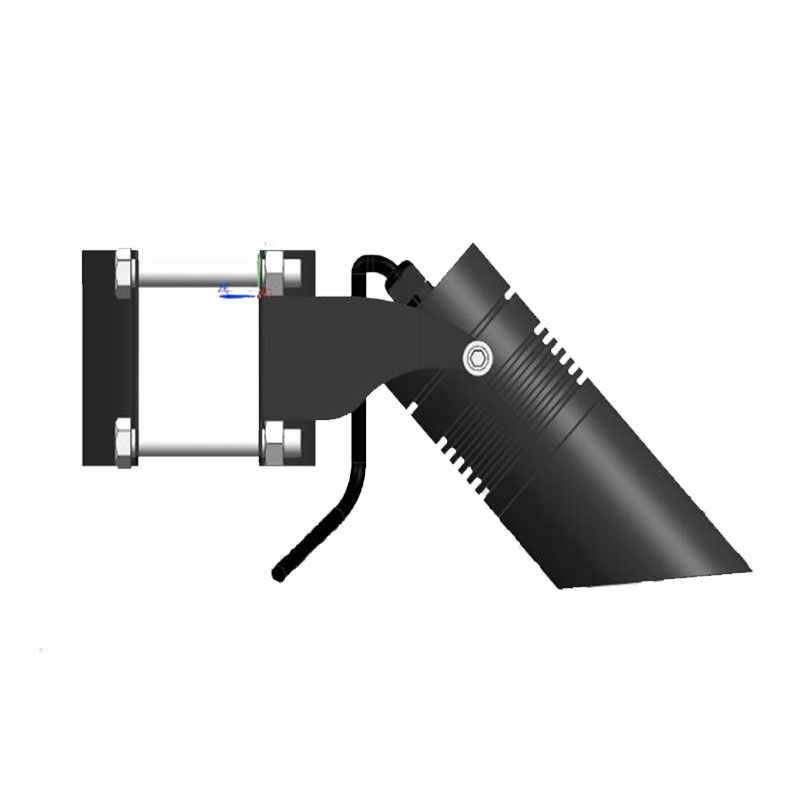
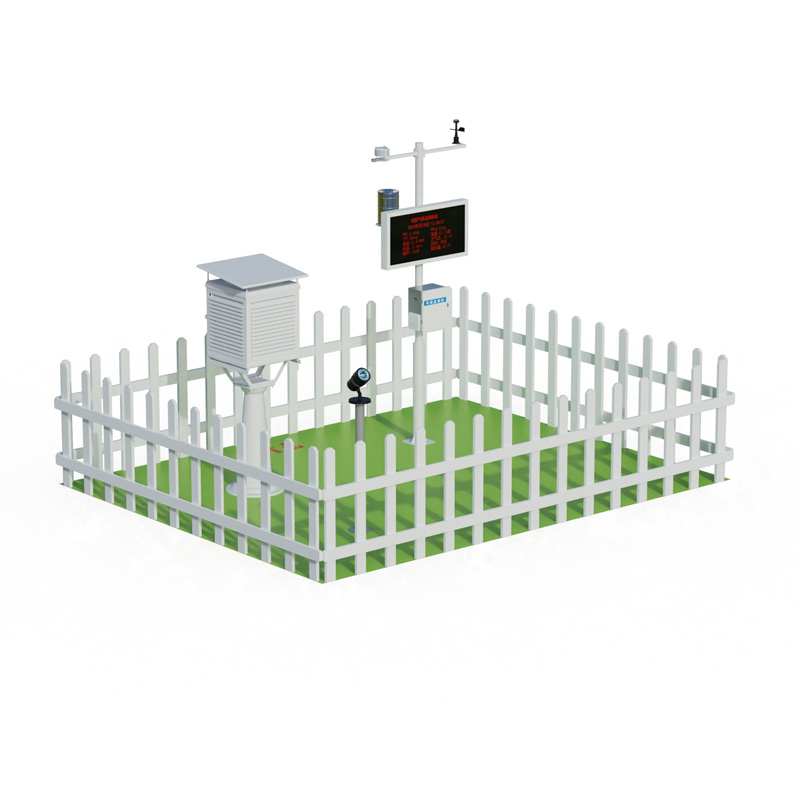
A complete Popular science weather station system typically comprises various hardware components, including sensors, mounting poles, equipment enclosures, LED displays, data collectors, and a cloud-based platform. Notable components include a fiberglass Stevenson screen housing wet-and-dry bulb thermometers for manual cross-verification; a sunshine recorder responsible for logging daily sunshine duration; and a protective enclosure that secures the equipment area. These devices continuously monitor a range of meteorological parameters—such as temperature, humidity, wind speed and direction, rainfall, and light intensity—in real time. All collected data is uploaded via the data collector to the cloud platform, allowing both teachers and students to access and view the information at any time via computers or mobile devices.
In an educational context, the value of a weather station is immediate and profound. During geography lessons, teachers can retrieve and display the day's temperature fluctuation graph to illustrate the correlation between solar altitude angles and air temperature; alternatively, they can present wind direction and speed data from the past week to help students grasp the underlying principles of monsoon circulation. Students are no longer merely passive listeners; instead, they actively utilize real-world data to validate the meteorological principles outlined in their textbooks. Furthermore, some school systems support dual power sources—drawing from both the municipal grid and solar energy—ensuring that the equipment remains fully operational even during overcast or rainy weather, while keeping maintenance costs to a minimum.
More importantly, the campus weather station serves to ignite students' intrinsic curiosity and interest in active exploration. Many schools have leveraged their weather stations to establish meteorology clubs, where students take turns recording observational data, compiling daily campus weather reports, and even utilizing the accumulated long-term data to conduct and complete their own small-scale research projects. For instance, students might compare microclimatic differences between the area in front of the academic building and the sports field, or analyze trends in the number of high-temperature days during the summer over the past three years. These practical activities encourage students to step outside the classroom, fostering scientific thinking and environmental awareness through observation and data recording. It is only when students personally handle instruments, analyze data, and identify problems that the knowledge found in textbooks truly transforms into capabilities of their own.
Sales Manager:Ms. Emily Wang
Tel, Whatsapp:+86 15898932201
Email:info@fengtutec.com
Add:No. 155 Optoelectronic Industry Accelerator, Gaoxin District, Weifang, Shandong, China