Meteorological environment monitoring equipment supplier
Insist on doing high-precision customer favorite technology products

Meteorological environment monitoring equipment supplier
Insist on doing high-precision customer favorite technology products

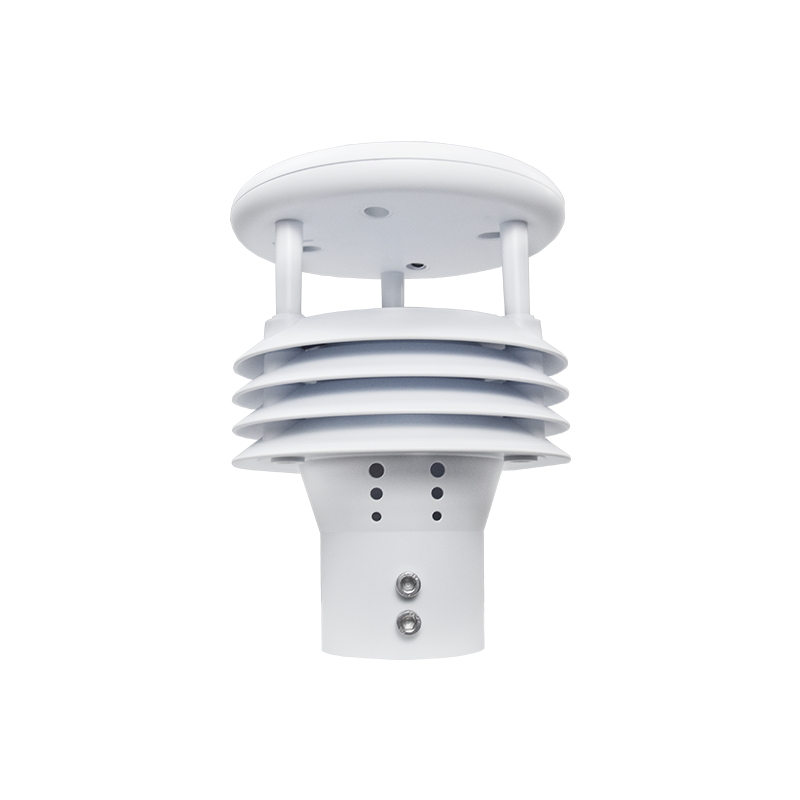
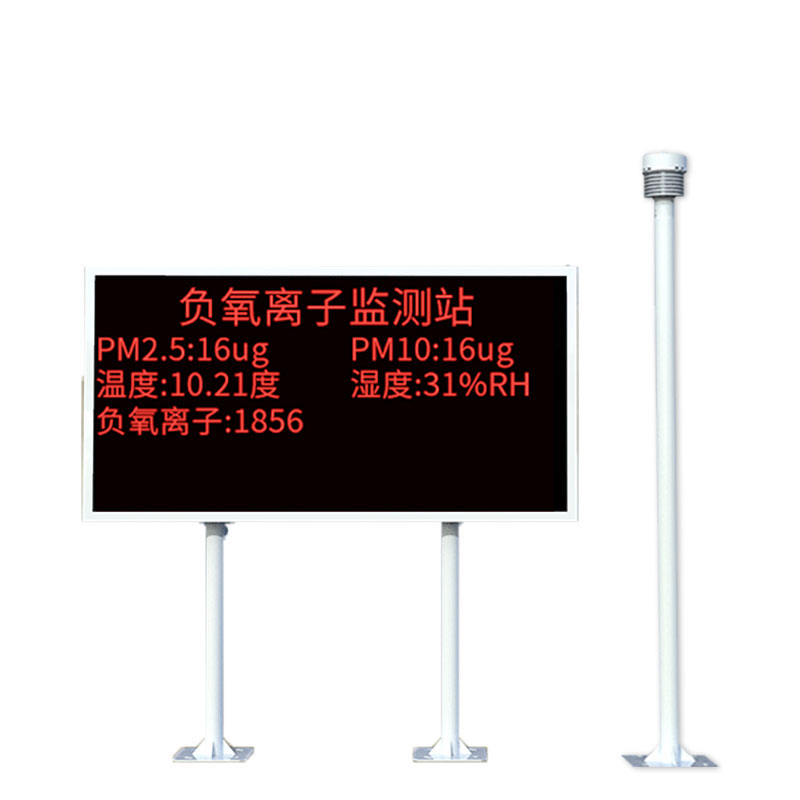
Air quality monitor conducts round-the-clock monitoring of meteorological parameters—including negative ion concentration, temperature, humidity, and PM2.5 levels. The system features a modular design that allows for the independent replacement of individual sensors, and it supports both on-site data readout via an LED screen and remote data viewing via a cloud-based platform. The device can be installed in various locations—such as tourist attractions, wetland parks, and forest parks—to assist managers in tracking changes in environmental quality, thereby providing a scientific basis for ecological conservation assessments and the optimization of tourism services.
Air quality monitor is an automated system specifically designed for the real-time monitoring of air quality and meteorological parameters. Centered on the core function of monitoring negative ion concentration, the system continuously collects negative ion data from the air 24/7. Furthermore, it can be expanded—based on user requirements—to monitor additional parameters such as air temperature, humidity, PM2.5, and PM10, thereby providing a comprehensive overview of the air quality status and meteorological characteristics within a scenic area.
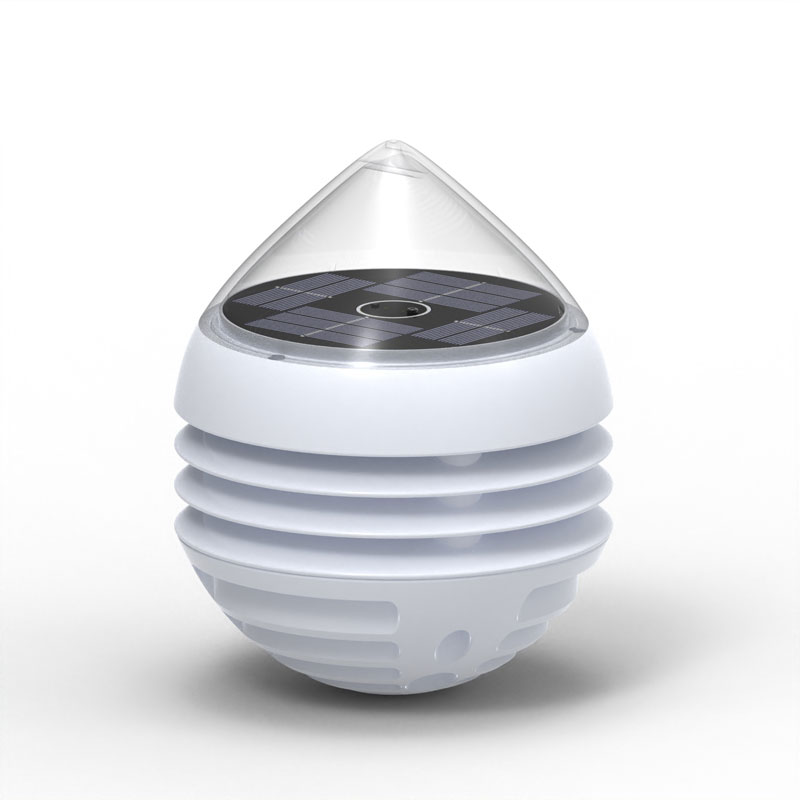
In terms of hardware configuration, Air quality monitor employs a modular structural design wherein each type of sensor can be replaced independently, thereby reducing long-term maintenance costs. The device comes standard with a professional mounting bracket that allows it to be securely affixed to walls or pillars, ensuring adaptability to the diverse terrain conditions found across different scenic areas. Once data is collected, it can be accessed directly via an on-site color LED display or viewed in real-time through a remote cloud platform, a web interface, or an official WeChat account, thereby meeting the diverse information needs of both managers and visitors. Data transmission supports multiple communication methods—including 2G, 4G, and fiber optics—while power supply options include standard 220V mains electricity or solar power solutions, making the device suitable for deployment in remote outdoor areas lacking access to a power grid.
In terms of application, Air quality monitor is suitable for a wide range of venues, including tourist attractions, eco-estates, wetland parks, waterfall parks, forest parks, nature reserves, real estate sales centers, and educational institutions. The data collected by the monitoring station can be utilized to analyze trends in air quality within a scenic area, assist managers in evaluating the effectiveness of ecological conservation measures, and provide objective evidence to support tourism promotion and marketing efforts. For instance, after the Jiayu County Meteorological Bureau in Hubei Province established the county's first comprehensive eco-meteorological monitoring station within the Zhenhu National Wetland Park, the facility began conducting round-the-clock monitoring of various parameters—including atmospheric negative oxygen ion concentration, temperature, humidity, air pressure, rainfall, wind speed, and wind direction. This initiative has provided crucial data support for wetland ecological conservation, tourism development, and highly localized, precision weather forecasting within the scenic area. Similarly, the Xincheng District Meteorological Bureau in Hohhot installed automated negative oxygen ion monitoring stations at the Shengshuiliang Scenic Area, the Daqingshan National Mountaineering and Fitness Trail, and the Chilechuan Grassland. By continuously monitoring negative oxygen ion levels, these stations provide real-time insights into air quality conditions, thereby furnishing a scientific basis for ecological environmental quality assessment and tourism development within these scenic sites. At Shengshuiliang, the annual average negative oxygen ion concentration reaches 4,775.6 ions/cm³, with peak levels reaching as high as 8,882.8 ions/cm³; such quantitative data holds direct value in enhancing the ecological tourism appeal of the scenic area.
The core value of Air quality monitor lies in its ability to transform raw environmental data into actionable management information. By analyzing long-term monitoring data, administrators can discern trends in negative oxygen ion concentrations across different seasons and times of day, evaluate the effectiveness of ecological restoration efforts, and identify potential environmental issues. Concurrently, displaying real-time air quality data to visitors via LED screens serves to heighten their appreciation of—and trust in—the ecological value of the scenic area. The establishment of these monitoring stations fills a critical gap in quantitative air quality assessment that exists in most scenic areas, shifting ecological conservation efforts from mere qualitative description to rigorous quantitative analysis, and thereby providing a reliable data foundation for the sustainable development of these scenic destinations.
Sales Manager:Ms. Emily Wang
Tel, Whatsapp:+86 15898932201
Email:info@fengtutec.com
Add:No. 155 Optoelectronic Industry Accelerator, Gaoxin District, Weifang, Shandong, China