Meteorological environment monitoring equipment supplier
Insist on doing high-precision customer favorite technology products

Meteorological environment monitoring equipment supplier
Insist on doing high-precision customer favorite technology products

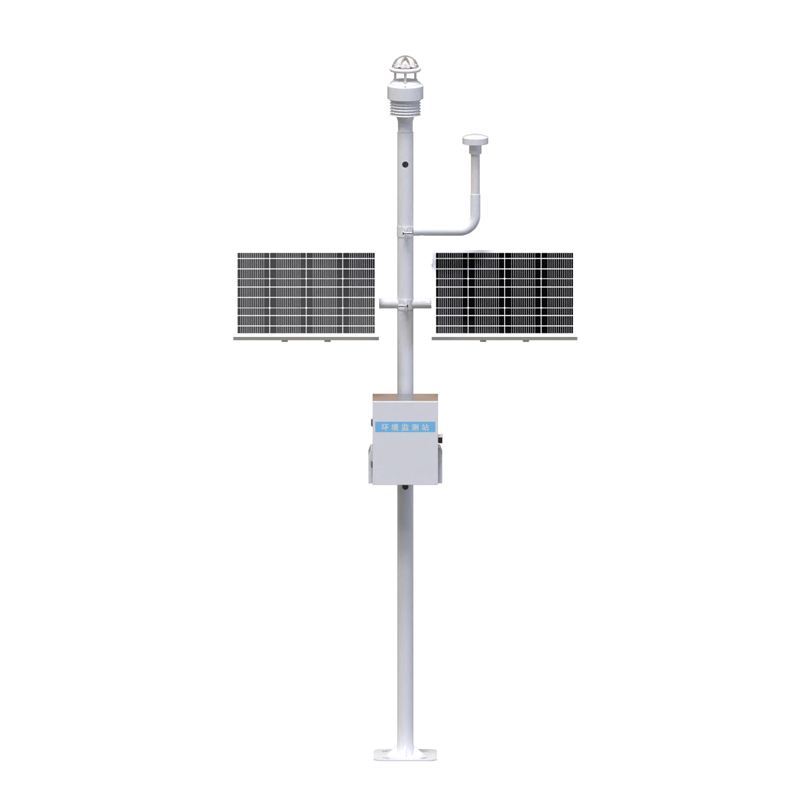
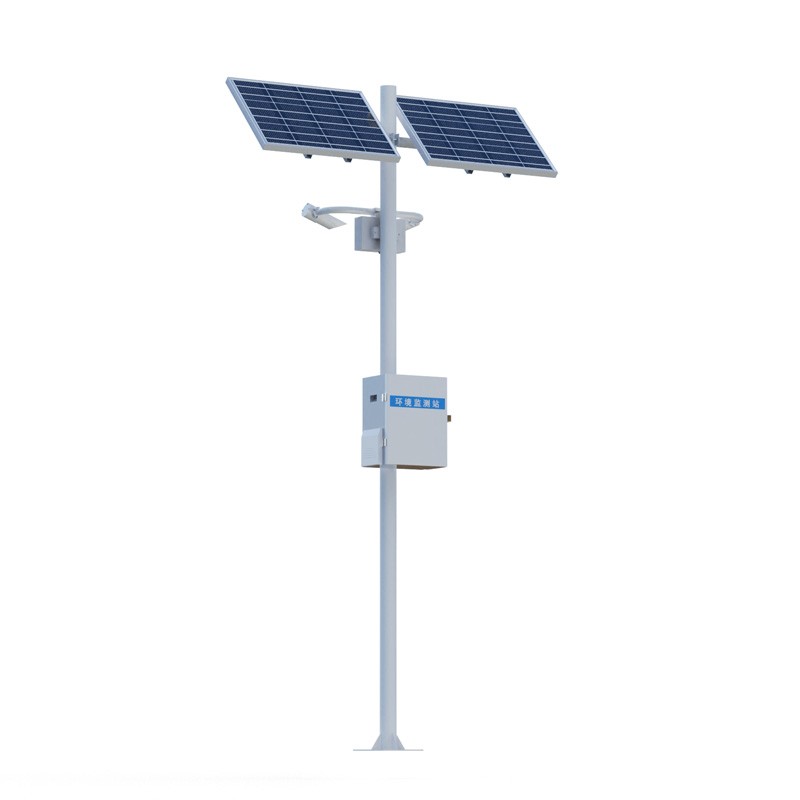
Traffic visibility monitoring stations are intelligent monitoring devices designed specifically for expressways. They collect real-time data on visibility and weather phenomena via a network of roadside stations and transmit this data to a monitoring center using wireless technology. Supporting the expansion of multi-parameter monitoring capabilities, they provide the data necessary for traffic management and driving safety during adverse weather conditions.
These intelligent meteorological monitoring stations are developed specifically for road traffic environments and are primarily deployed along expressways. Utilizing a networked configuration of multiple stations, they enable automated, all-weather monitoring of road weather conditions, serving as essential infrastructure for smart traffic safety management. The stations primarily collect key data such as road visibility and real-time weather phenomena. Depending on specific application needs, they can be expanded to include integrated monitoring of temperature, humidity, wind, pressure, and precipitation, as well as laser-based remote sensing of road surface conditions. This allows for multi-dimensional meteorological data collection tailored to the monitoring and management requirements of different road sections.
The stations feature a robust and mature design, comprising five core components: a visibility sensor, a data logger, a mounting pole/bracket, a power supply system, and a cloud platform. With a streamlined structure, they are easy to install outdoors and capable of withstanding the complex environmental conditions found along expressways. The core visibility sensor employs the aerosol forward-scattering principle; it emits infrared pulsed light and uses a receiver to measure the intensity of light scattered by atmospheric aerosol particles. Specialized mathematical algorithms then accurately calculate the meteorological optical range. The system offers a measurement range of 5m to 10km with controllable accuracy and a resolution of 1m, enabling precise detection of low-visibility weather conditions of varying severity.
Equipped with a standardized 4G wireless transmission module, the stations ensure the timely and complete upload of monitoring data to traffic control centers. The power supply system supports seamless switching between solar power and the mains grid, making it suitable for remote expressway sections lacking continuous grid access and ensuring stable, year-round, all-weather operation. Under adverse weather conditions—such as fog, rain, snow, or sandstorms—real-time data collected by the equipment can rapidly provide a reference for traffic control systems and simultaneously trigger warning alerts. This enables management personnel to promptly implement control measures and prompts drivers to exercise caution, thereby effectively reducing the likelihood of traffic accidents caused by severe weather and comprehensively enhancing overall highway safety and the level of intelligent traffic management.
Sales Manager:Ms. Emily Wang
Tel, Whatsapp:+86 15898932201
Email:info@fengtutec.com
Add:No. 155 Optoelectronic Industry Accelerator, Gaoxin District, Weifang, Shandong, China