Meteorological environment monitoring equipment supplier
Insist on doing high-precision customer favorite technology products

Meteorological environment monitoring equipment supplier
Insist on doing high-precision customer favorite technology products

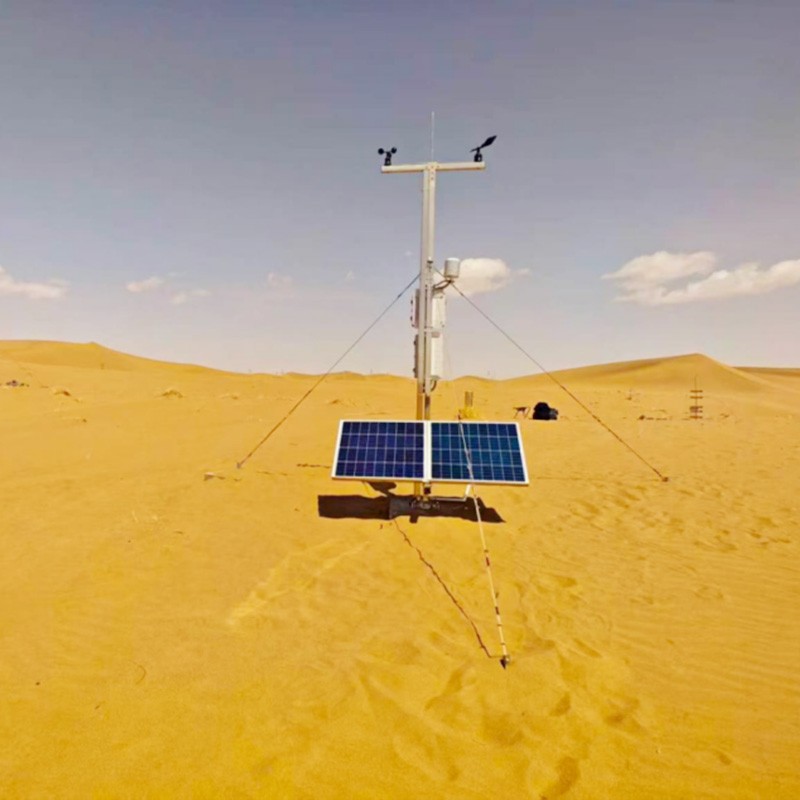
1、Wind Erosion Automatic weather Station Product Overview
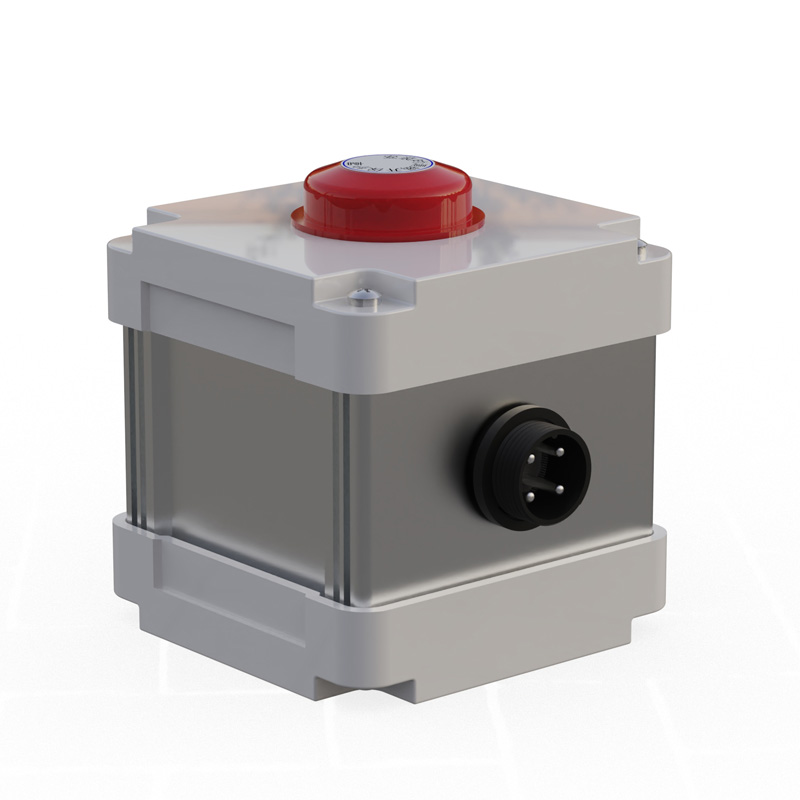
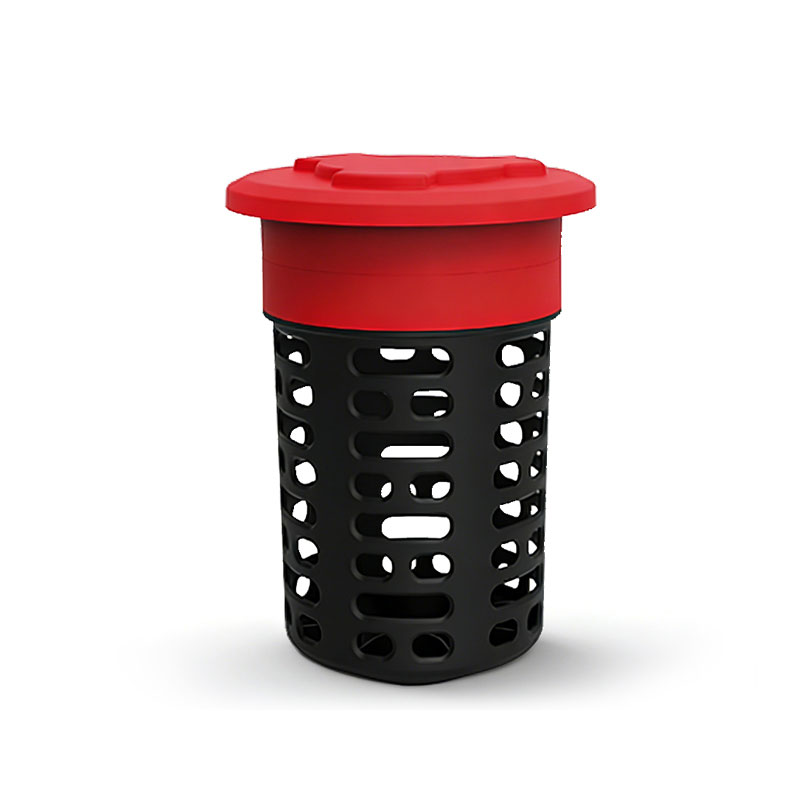
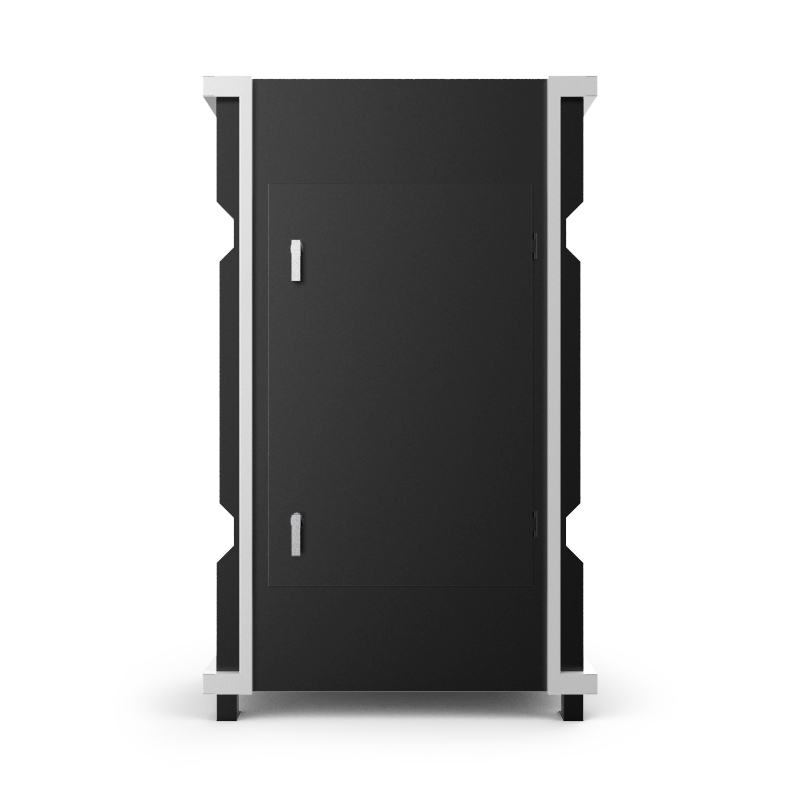
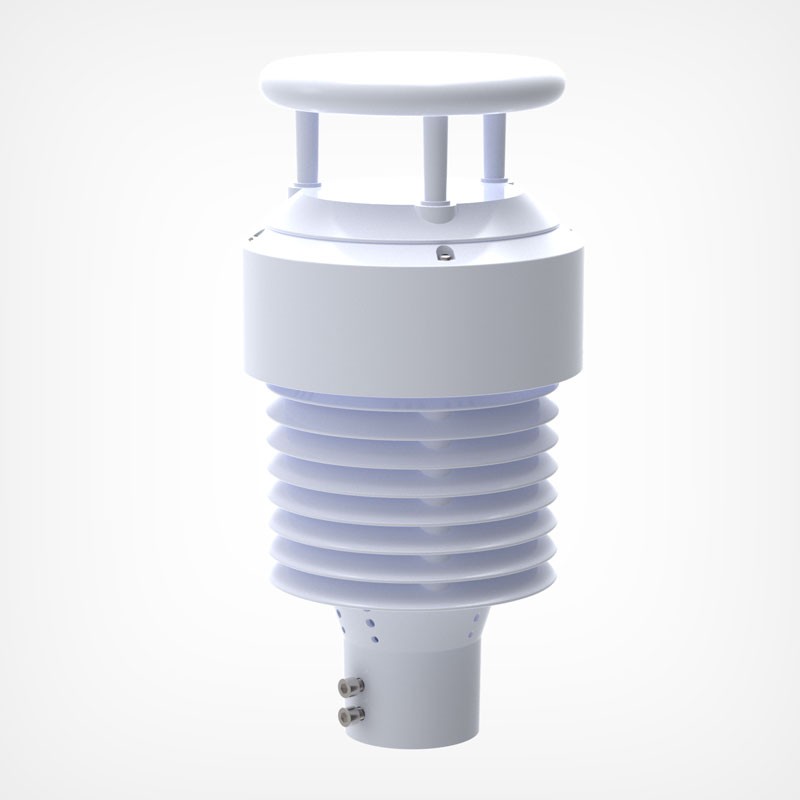
Wind Erosion Automatic weather Station is used for all-weather automatic monitoring of multiple meteorological environment elements in desert areas.The FSQ1 model Wind Erosion Automatic weather Station is designed for the continuous, automated monitoring of sand transport rates and wind erosion kinetic energy, while simultaneously recording meteorological parameters such as wind speed, wind direction, air temperature and humidity, precipitation, and total solar radiation. The system comprises a sand collection and weighing unit, a meteorological observation unit, a data acquisition terminal, a power supply unit, and a remote monitoring platform; it supports continuous, unattended operation with simultaneous local data storage and remote data transmission.
2、Wind Erosion Automatic weather Station composition
| Hierarchy | Composition | Function |
| Perception and Acquisition Layer | 1st floor 360° sand collection module, weighing sensor, wind speed and direction, air temperature and humidity, precipitation, total radiation sensor | Environmental Factors and Wind Erosion Data Collection |
| Acquisition Control Layer | Industrial-grade data acquisition terminal | Sensor Access, Data Acquisition and Weighing Logic Control |
| Storage and Transmission Layer | Local storage unit, 4G/5G and BeiDou communication unit | Data storage, protocol conversion, remote reporting |
| Application Management Layer | Cloud Monitoring Platform | Data viewing, parameter configuration, export, status monitoring |
3、Wind Erosion Automatic weather Station Technical parameters of monitoring elements
| Monitoring Elements | Measurement Range | Resolution | Accuracy | Unit | Number of observation layers | Working Principle |
| Dust collection volume | 0~5000 | 1 | ±0.1FS | g | 1 | Automatic weighing, automatic sand unloading |
| Wind erosion kinetic energy | Particle size 50~70 | — | Output impact kinetic energy KE, impact particle count PC | μm | 1 | Piezoelectric induction |
| Ambient temperature | -50~80 | 0.1 | ±0.2 | ℃ | 1 | Platinum resistance temperature measurement |
| Relative humidity | 0~100 | 1 | ±3 | %RH | 1 | Humidity measurement using a humidity-sensitive capacitor |
| Wind speed | 0~50 | 0.1 | ±0.3+0.03V | m/s | 4 | Three-cup mechanical bearing |
| Wind direction | 0~360 | 1 | ±3 | ° | 1 | Mechanical bearings |
| Precipitation | 0~999.9 | 0.2 | ±2% | mm | 1 | Bucket-type |
| Total radiation | 0~2500 | 1 | ±3% | W/m² | 1 | Thermoelectric stack |
4、Wind Erosion Automatic weather Station Technical Specifications
| Project | Parameters |
| Storage capacity | ≥256GB, supports direct download from mobile storage devices |
| Storage Mode | Automatic cyclic storage, checkpointing, and no loss of historical data upon power failure. |
| Sampling interval | 1 min ~ 24 h, remotely adjustable |
| Power supply method | Solar battery / 220V AC |
| Continuous rainy days and extended range | ≥15 days |
| Communication method | 4G/5G full network coverage, supports BeiDou backup channel |
| Transmission Protocol | MQTT, TCP, MODBUS TCP |
| Communication Protocol | Compliant with SL 651-2014 "Hydrological Monitoring Data Communication Protocol" |
| Data Interface | Provide a standard API to support third-party platform integration. |
| Cloud Platform | Dual-end access for desktop and mobile |
| Bracket height | 2m |
| Bracket material | 304 stainless steel, 50×50mm brushed and polished square tube |
| Installation Method | Integrated On-site Fixed Installation |
5、Wind Erosion Automatic weather Station Implementation Standards
l SL 651-2014 "Communication Protocol for Hydrological Monitoring Data"
l SL/T 277-2024 "Technical Specifications for Soil and Water Conservation Monitoring"
l QX/T 1-2000 "Type II Automatic Weather Station"
6、Wind Erosion Automatic weather Station Applicable Scenarios
Monitoring of desertification, grassland ecosystems, wind erosion of farmland soil, fugitive dust in mining areas, and wind-sand hazards along highways and railways; monitoring of comprehensive soil and water conservation efforts; and assessment of ecological restoration effectiveness.
Sales Manager:Ms. Emily Wang
Tel, Whatsapp:+86 15898932201
Email:info@fengtutec.com
Add:No. 155 Optoelectronic Industry Accelerator, Gaoxin District, Weifang, Shandong, China












 Get a Free Quote