Meteorological environment monitoring equipment supplier
Insist on doing high-precision customer favorite technology products

Meteorological environment monitoring equipment supplier
Insist on doing high-precision customer favorite technology products

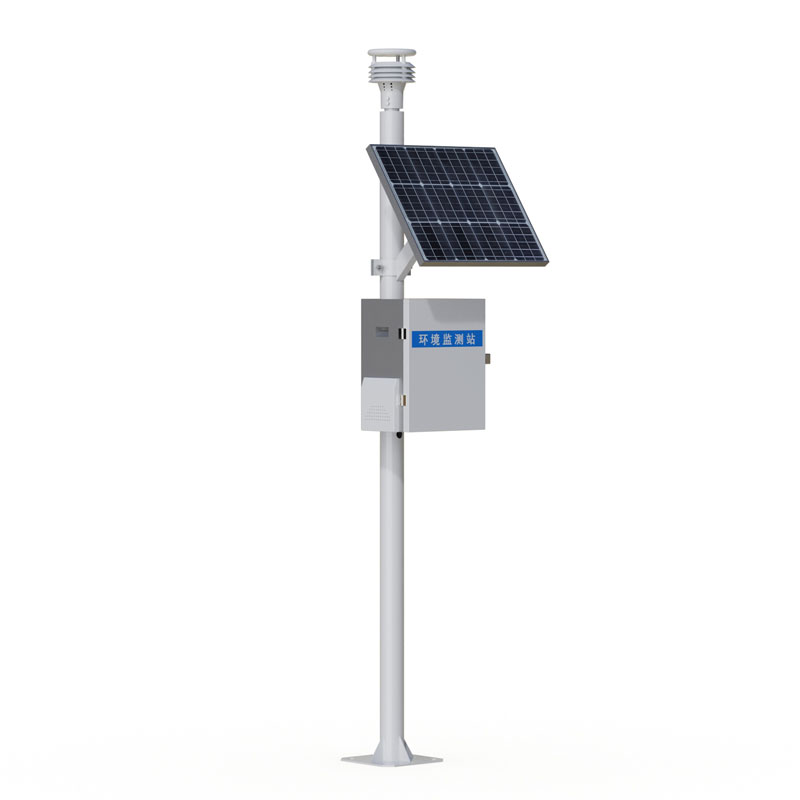
Meteorological instrument is a high-precision automatic meteorological device integrating temperature, humidity, wind speed, wind direction, and air pressure detection functions. It adopts an integrated sensor and a no-adjustment design, supports solar power supply and wireless data transmission, and is suitable for long-term field monitoring scenarios.
Meteorological instrument is gradually replacing traditional weather stations, becoming a core device for field environmental monitoring. The biggest feature of this type of device is its highly integrated design, integrating multiple sensors such as temperature, humidity, wind speed, wind direction, and air pressure onto a single probe. This eliminates the need for separate sensor installation, significantly reducing the complexity of on-site installation. Traditional weather stations require assembling anemometers, wind vanes, temperature and humidity Stevenson screens, and barometers one by one on a pole, a cumbersome wiring process that requires installers with certain professional technical skills. In contrast, the integrated Meteorological instrument has its sensors calibrated and system configured before leaving the factory. Users only need to fix the device to the top of the pole and connect the power supply to start working; the entire process can be completed in minutes.
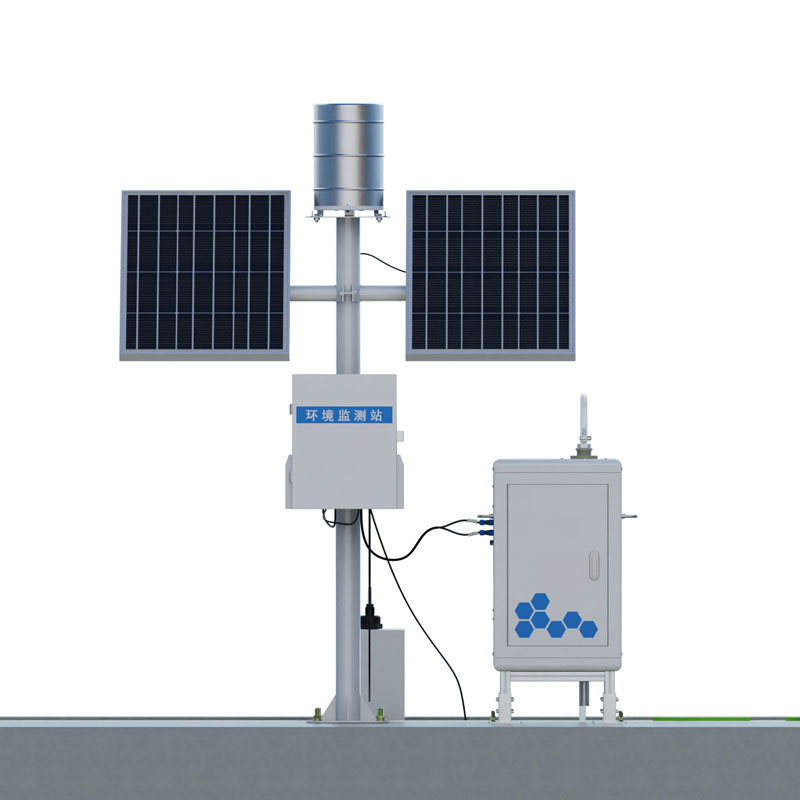
The low-power design makes Meteorological instrument suitable for deployment in remote areas lacking power supply. The equipment uses a solar power system combined with a battery pack. During the day, the solar panels power the equipment and charge the battery simultaneously, while at night or on cloudy days, the battery provides power. Taking the Fengtu CQX5 ultrasonic weather station as an example, its power consumption is kept low; a 30W solar panel plus a 20AH battery is sufficient for normal operation even during several consecutive days of cloudy and rainy weather. The data acquisition interval is adjustable from 1 minute to 1000 minutes, allowing users to flexibly configure the sampling frequency according to their actual needs, further reducing energy consumption while ensuring monitoring accuracy.
In terms of technical components, Meteorological instrument integrates modern sensing technology, microelectronics technology, and network communication technology. Wind speed and direction measurement uses the ultrasonic principle, detecting wind speed and direction by emitting continuously variable frequency ultrasonic signals and measuring their relative phase, avoiding measurement errors and maintenance requirements caused by bearing wear in traditional mechanical anemometers. The temperature and humidity sensors employ both diode junction voltage method and capacitive probes, while barometric pressure measurement utilizes a piezoresistive chip coupled with a temperature compensation algorithm to eliminate environmental interference. The device is equipped with wireless transmission modules such as GPRS, 4G, and LoRa, allowing collected meteorological data to be uploaded to a cloud platform in real time. Users can remotely view the monitoring data via computer or mobile phone. Currently, this equipment is widely used in agricultural irrigation management, forestry fire monitoring, field scientific research, and airport/port meteorological support.
Sales Manager:Ms. Emily Wang
Tel, Whatsapp:+86 15898932201
Email:info@fengtutec.com
Add:No. 155 Optoelectronic Industry Accelerator, Gaoxin District, Weifang, Shandong, China