Meteorological environment monitoring equipment supplier
Insist on doing high-precision customer favorite technology products

Meteorological environment monitoring equipment supplier
Insist on doing high-precision customer favorite technology products

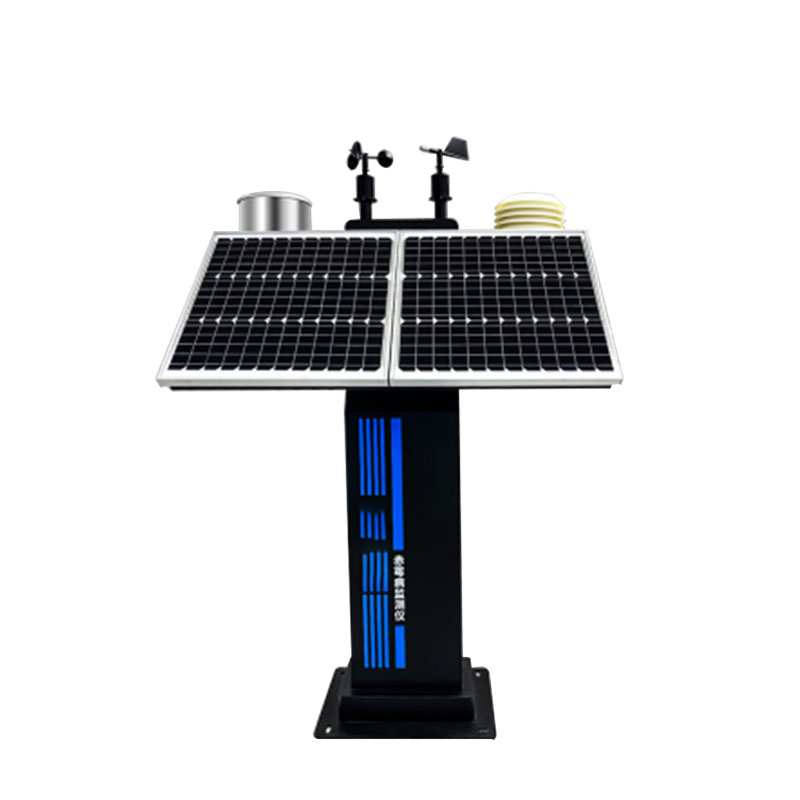
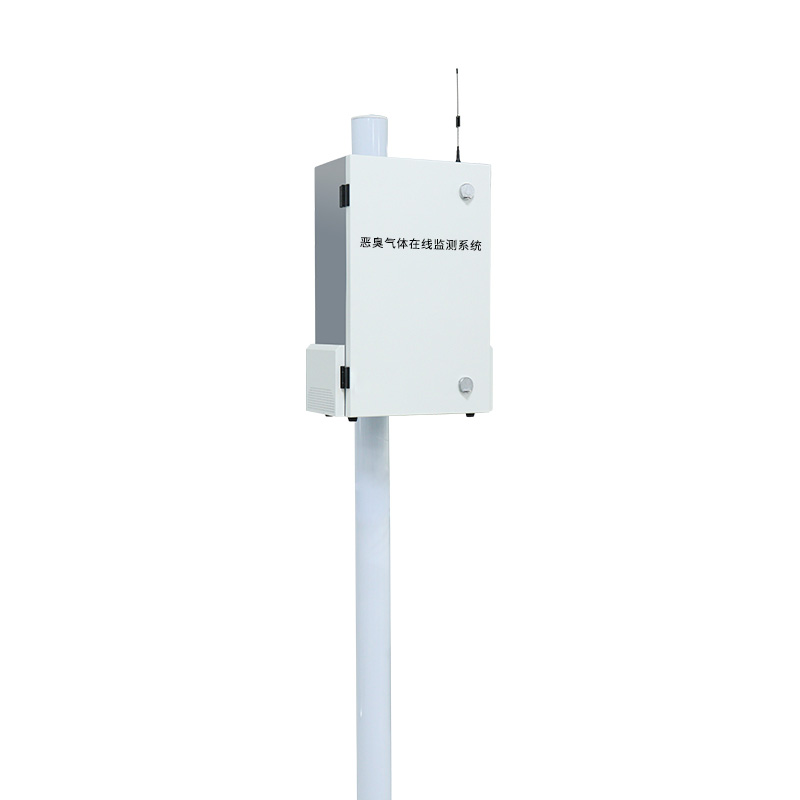
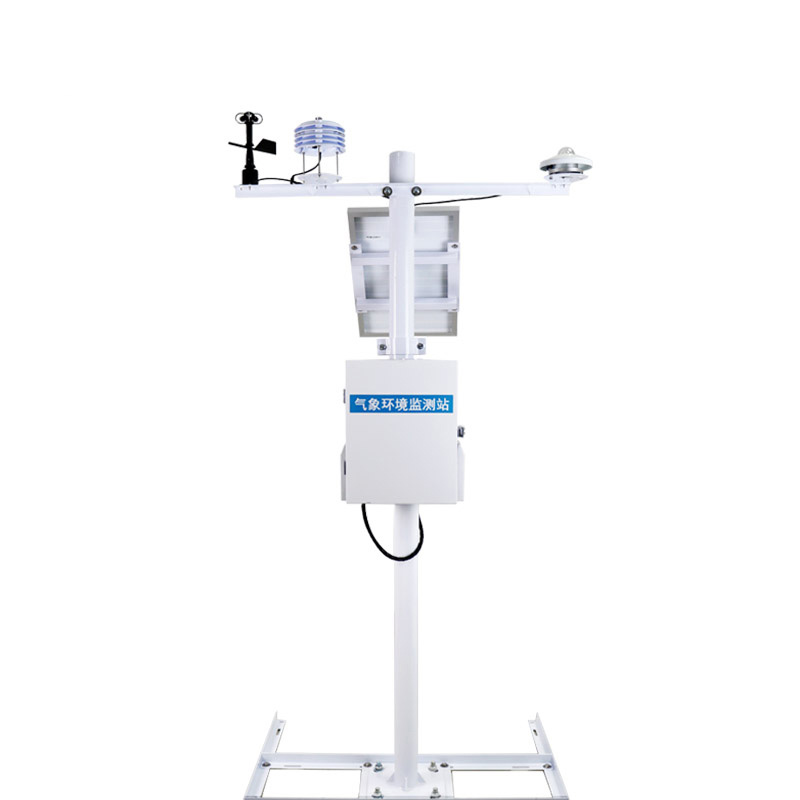
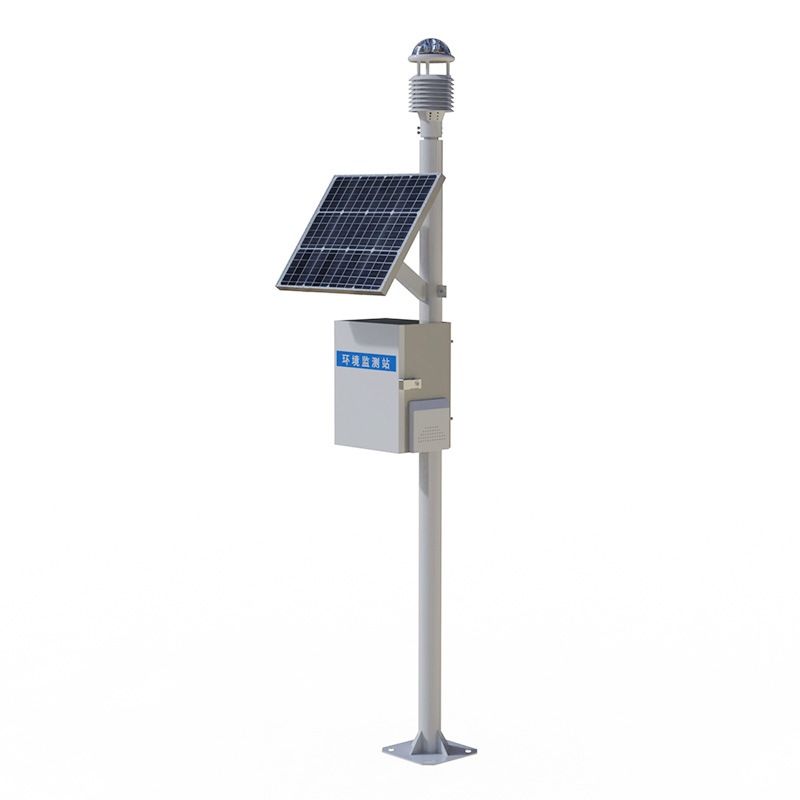
The Air quality monitoring station system employs modern optical and electrochemical technologies to continuously and accurately monitor PM2.5, PM10, CO, NO2, SO2, O3, and multiple meteorological elements 24 hours a day. This system integrates data acquisition, storage, and transmission, and is suitable for industrial parks and atmospheric grid monitoring, providing real-time data support for environmental compliance and pollution control.
Air quality monitoring station is an environmental monitoring system capable of real-time continuous monitoring and analysis of multiple pollutants in the atmosphere. Through modern optical monitoring and electrochemical sensing technologies, the system achieves precise measurements and can operate 24 hours a day, continuously outputting effective environmental monitoring data. Its operating mechanism provides scientific guidance for early detection, trend analysis, and diffusion warning of pollution, and is therefore widely used in urban and regional atmospheric grid monitoring.
In terms of monitoring capabilities, Air quality monitoring station has multi-parameter simultaneous observation capabilities. This system can monitor the real-time concentrations of particulate matter (including PM2.5 and PM10) and gaseous pollutants (such as carbon monoxide (CO), nitrogen dioxide (NO2), sulfur dioxide (SO2), and ozone (O3) in the atmosphere. Simultaneously, the system integrates meteorological sensors to observe key meteorological elements such as wind speed, wind direction, air temperature, relative humidity, atmospheric pressure, and optical rainfall. The combination of meteorological data helps analyze the conditions and causes of pollutant dispersion, enhancing the depth of interpretation of the monitoring data.
The system offers significant flexibility in deployment. One typical application scenario is its deployment within or around industrial parks to continuously monitor the impact of emissions from industrial production activities on the surrounding ambient air quality. By acquiring accurate and continuous monitoring data, companies can objectively assess their emission levels, providing direct data support for fulfilling their environmental social responsibility and meeting increasingly stringent environmental regulations. Furthermore, these monitoring stations are often deployed in urban communities, along major transportation routes, and in border areas, forming a high-density air pollution monitoring network to achieve pollution source tracking and refined management of regional environmental quality.
From a system architecture perspective, Air quality monitoring station is an unattended automated monitoring platform integrating data acquisition, local storage, remote transmission, and centralized management. Built-in sensors in the monitoring equipment collect raw environmental data, which is then processed and calibrated by the internal data processing unit to generate standardized monitoring results. This data can be transmitted in real-time to a central data management platform or cloud server via wired or wireless communication networks (such as 4G, LoRa, Ethernet, etc.), supporting remote access, data analysis, report generation, and alarms for exceeding limits. Its unattended design significantly reduces the manpower costs of daily maintenance, ensuring the continuity and stability of monitoring work.
Overall, with its accurate, continuous, and multi-parameter monitoring characteristics, as well as its flexible deployment and high integration, Air quality monitoring station has become an indispensable technical tool in modern atmospheric environmental monitoring, especially in grid-based precision monitoring systems. It provides crucial data foundations and technical support for environmental protection departments in making environmental decisions and responding to pollution emergencies, as well as for various enterprises in environmental management.
Sales Manager:Ms. Emily Wang
Tel, Whatsapp:+86 15898932201
Email:info@fengtutec.com
Add:No. 155 Optoelectronic Industry Accelerator, Gaoxin District, Weifang, Shandong, China