Meteorological environment monitoring equipment supplier
Insist on doing high-precision customer favorite technology products

Meteorological environment monitoring equipment supplier
Insist on doing high-precision customer favorite technology products

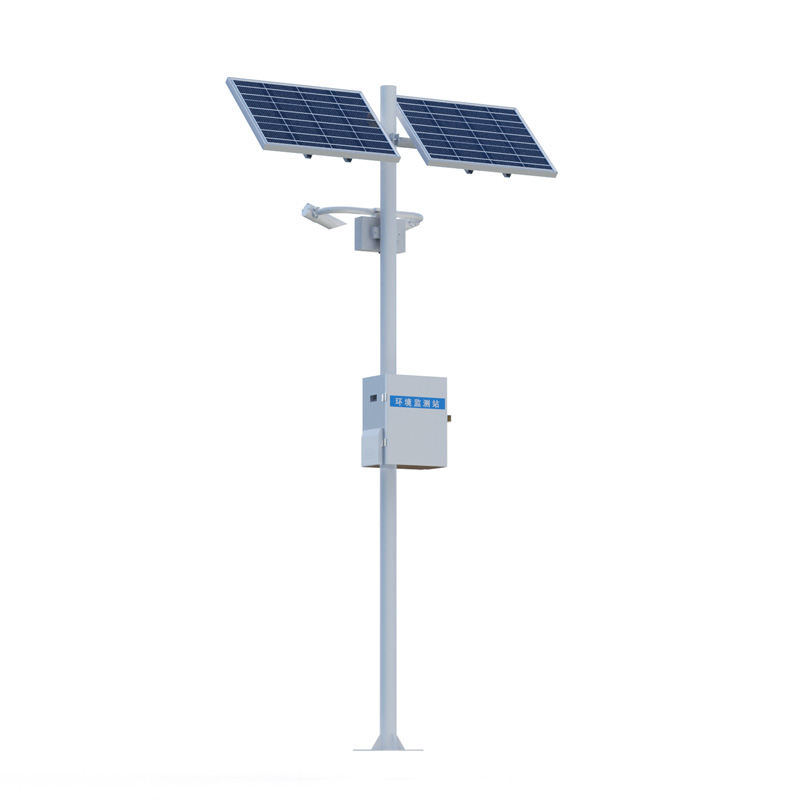
Road Surface Monitoring is specifically designed for highway sections prone to fog patches. Through the high-density deployment of visibility monitoring equipment, it achieves automatic monitoring of visibility, fog, rain, snow, and other weather phenomena. The system combines monitoring and communication technologies to build a dynamic monitoring network covering the road section, accurately capturing the transient characteristics of fog patches, and providing real-time warnings and decision support for road traffic safety.
Road Surface Monitoring is a professional monitoring solution developed for highway sections prone to fog patches. The system continuously collects visibility data and current weather phenomena, including fog, rain, snow, mixed precipitation, and clear skies, through high-density visibility monitoring equipment deployed along the road. Based on real-time measurement and analysis, the monitoring stations achieve accurate identification and assessment of road fog patches.
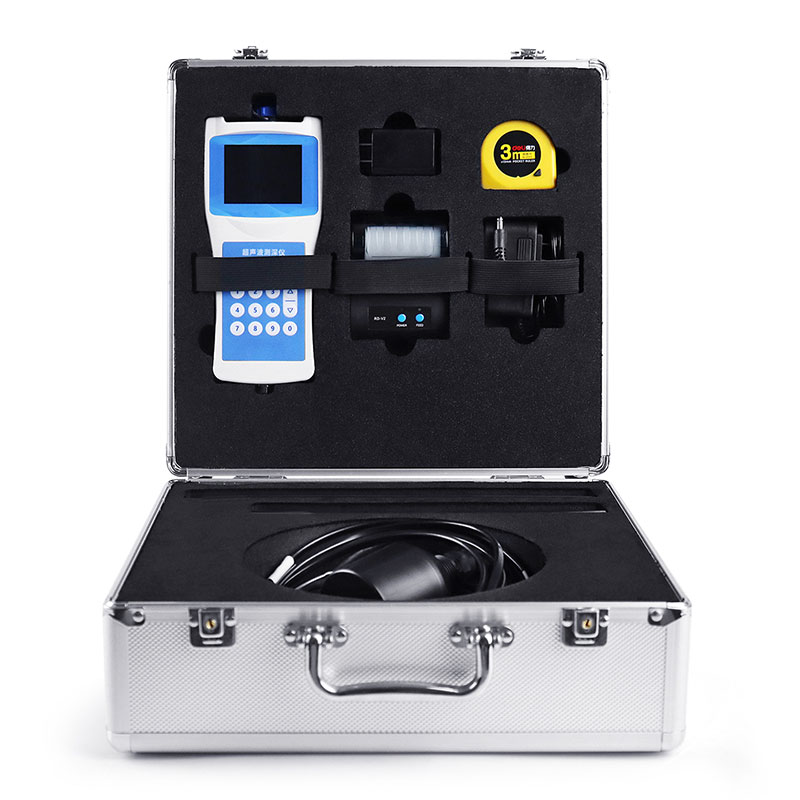
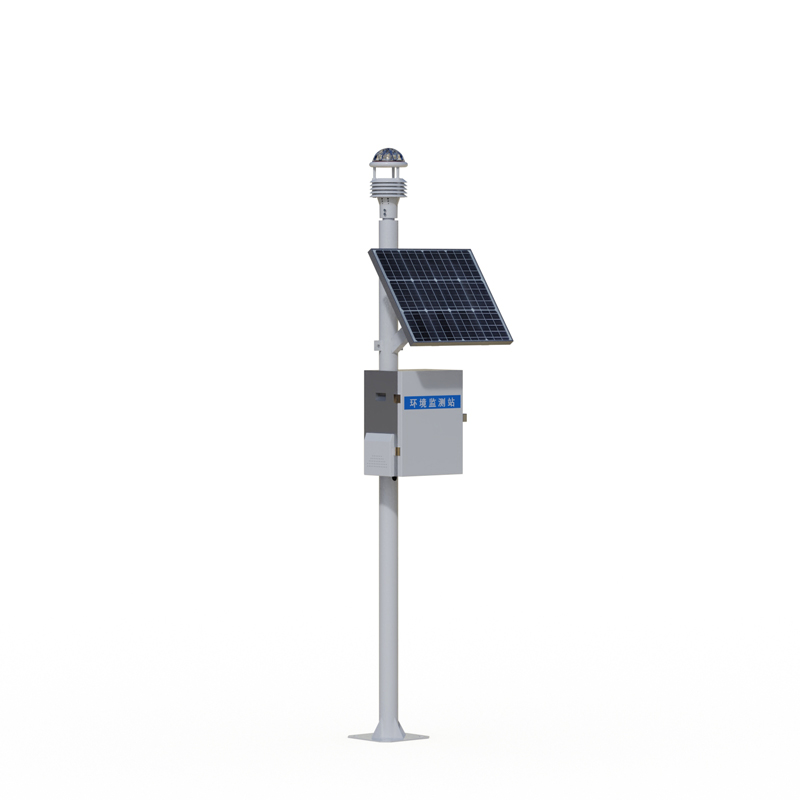
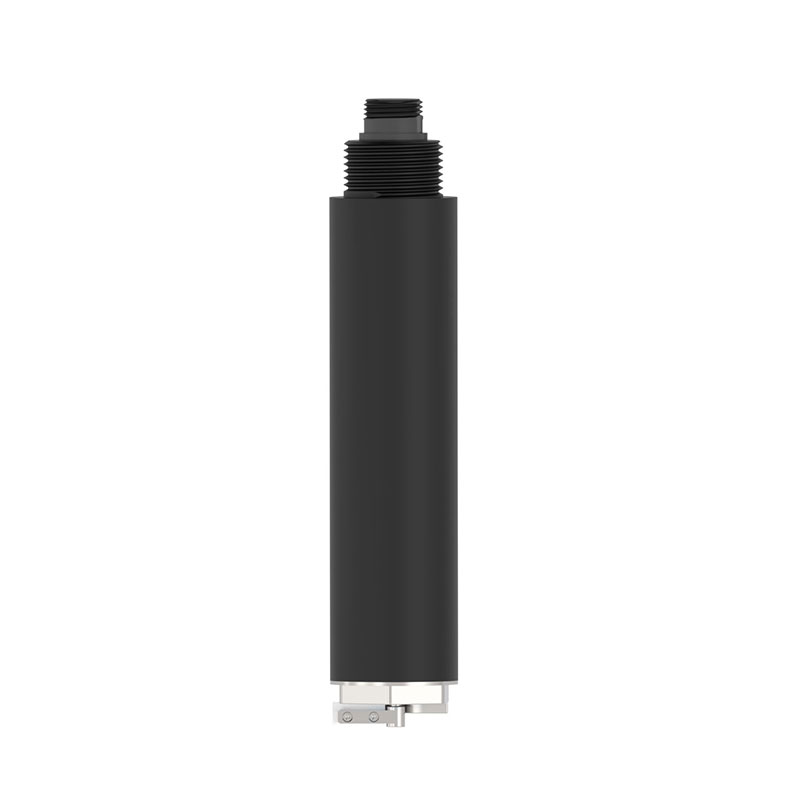
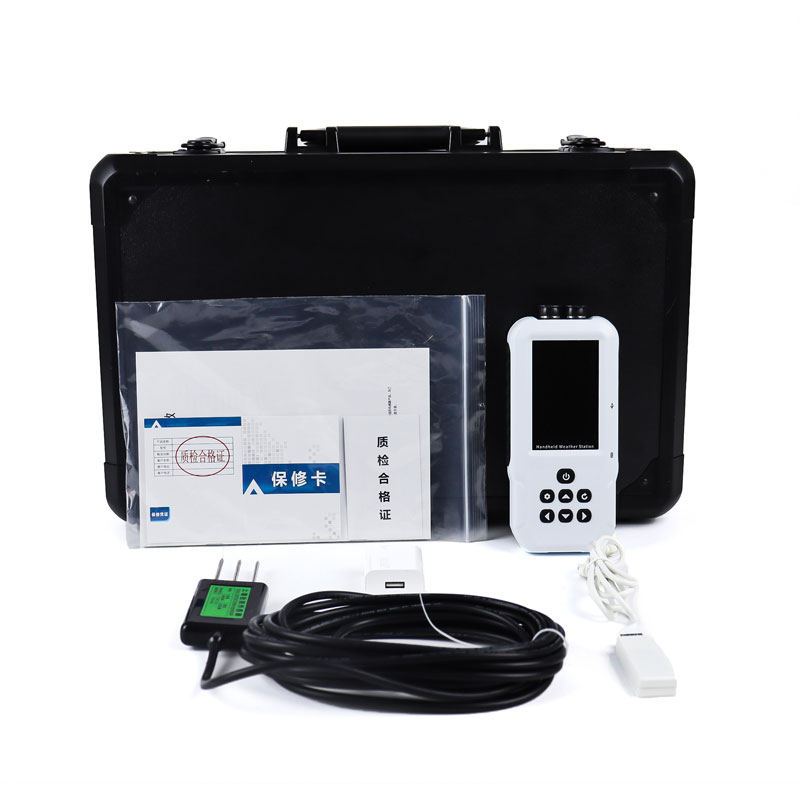
The core of the system lies in building an automated fog patch monitoring network. By integrating advanced visibility sensors, weather phenomenon detectors, and data communication modules, the monitoring stations can obtain environmental data in real time. Communication technology ensures high-speed data transmission to the central platform, forming a dynamic monitoring information flow. This design enables the system to timely capture the generation, diffusion, and dissipation process of fog patches, effectively addressing their suddenness and transient characteristics.
In fog-prone road sections, the system improves spatial coverage accuracy by increasing the density of monitoring points. Each monitoring station operates independently, while also collaborating through the network to achieve comprehensive monitoring of the road section. After data analysis by the platform, visibility change curves and weather status reports can be generated, providing a basis for warning issuance. This system is suitable for areas with frequent heavy fog, especially mountainous and river valley highway sections with complex meteorological conditions.
The system's functions focus on ensuring road traffic safety. Monitoring data can be directly connected to the traffic management platform, supporting applications such as warning information release, speed limit reminders, and lane control. By real-time assessment of visibility risks, management personnel can take control measures in advance to reduce the probability of traffic accidents caused by fog patches. The system operates without manual intervention, achieving 24/7 automated monitoring and data transmission.
The technical advantages of Road Surface Monitoring are reflected in its high-precision measurement and rapid response capabilities. The sensor sensitivity meets the detection needs of different visibility ranges, and the data analysis algorithm can distinguish fog from other precipitation phenomena, avoiding false alarms. The communication network ensures data real-time performance, ensuring that warning information takes effect promptly. The system has been proven reliable in real-world road applications and has become an important component of highway meteorological safety monitoring.
In summary, the system, through technological integration and networked deployment, achieves dynamic monitoring of dense fog on highways. Its automated design reduces operation and maintenance costs, and the accurate data supports traffic safety management decisions. With technological advancements, the system will continue to optimize monitoring accuracy and coverage, providing crucial technical support for safe road operations.
Sales Manager:Ms. Emily Wang
Tel, Whatsapp:+86 15898932201
Email:info@fengtutec.com
Add:No. 155 Optoelectronic Industry Accelerator, Gaoxin District, Weifang, Shandong, China