Meteorological environment monitoring equipment supplier
Insist on doing high-precision customer favorite technology products

Meteorological environment monitoring equipment supplier
Insist on doing high-precision customer favorite technology products

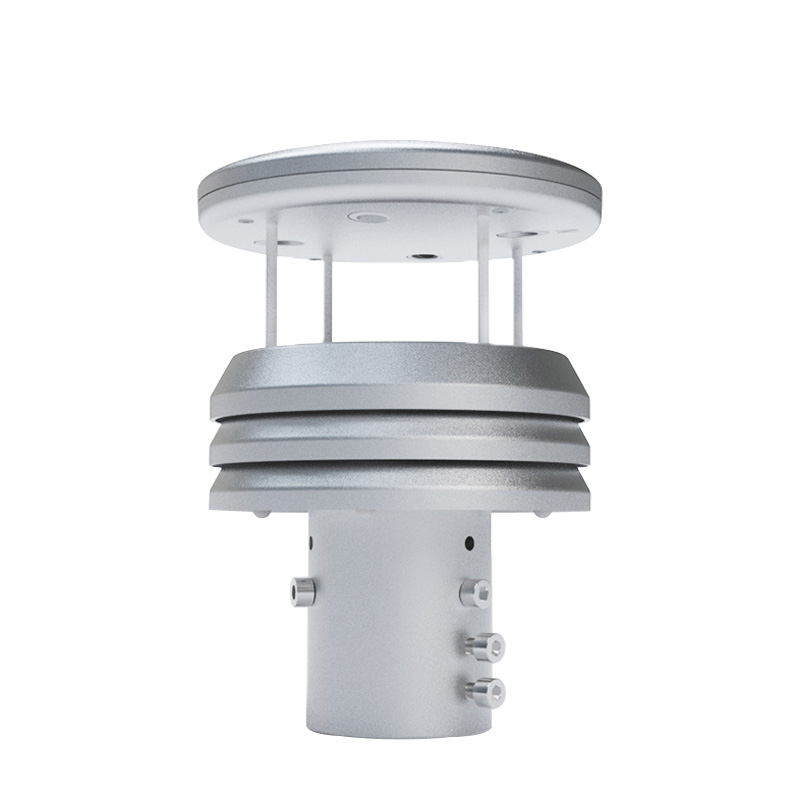
Weather station data acquisition equipment is an instrument system used to measure and record various atmospheric environmental parameters. It collects core meteorological data such as temperature, humidity, wind direction, wind speed, and atmospheric pressure through various sensors, and can be customized and expanded according to actual needs. The system converts physical quantities into standardized electrical signals, which are then processed and digitized before being transmitted to a computer platform. This ensures stable and reliable data collection in diverse application scenarios, providing accurate data for meteorological analysis, environmental monitoring, and industry decision-making.
Weather station data acquisition equipment is a fundamental infrastructure for modern meteorological monitoring and environmental data collection. The core task of these devices is to accurately and continuously measure and record various physical parameters in the atmosphere, forming the raw data source for subsequent analysis, forecasting, and research.
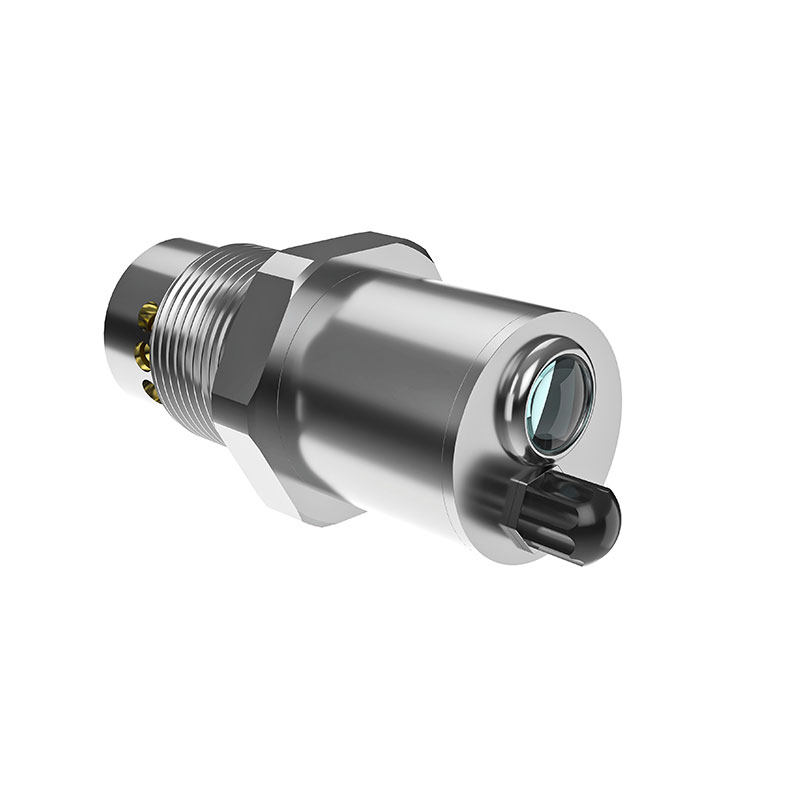
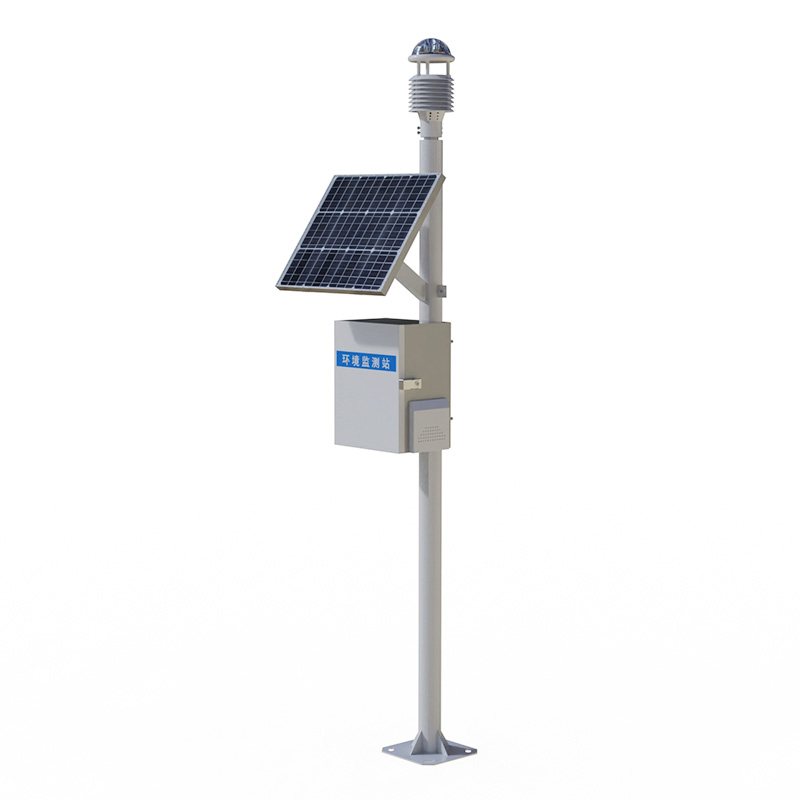
A standard Weather station data acquisition equipment typically consists of a sensor unit, a data acquisition unit, a power supply module, and a communication unit. The sensors are the components that directly interact with the environment, responsible for sensing changes in specific physical quantities. Commonly used basic sensors include temperature sensors for measuring the thermal state of the air, humidity sensors for measuring the water vapor content in the air, wind direction sensors for sensing the direction of air flow, wind speed sensors for measuring the rate of air flow, and atmospheric pressure sensors for determining atmospheric pressure. These sensors operate based on physical principles such as thermoelectric, capacitive, ultrasonic, or piezoelectric effects, converting perceived natural phenomena into weak analog electrical signals.
The data acquisition unit is the "processing center" of the system. It receives analog signals from the sensors, performs signal conditioning, including amplification and filtering to eliminate interference, and then converts the analog signals into digital signals that can be recognized and processed by a computer using an analog-to-digital converter. The acquisition unit usually has a certain data storage capacity and performs preliminary calculations and processing of the data according to preset acquisition frequencies and algorithms, such as calculating the instantaneous and average values of wind speed. The power supply module provides energy for the continuous operation of the entire system, which may use AC power, solar panels with batteries, or other methods. The communication unit is responsible for transmitting the collected and processed data to a remote data center, server, or user terminal via wired or wireless means, enabling real-time monitoring and remote access to the data.
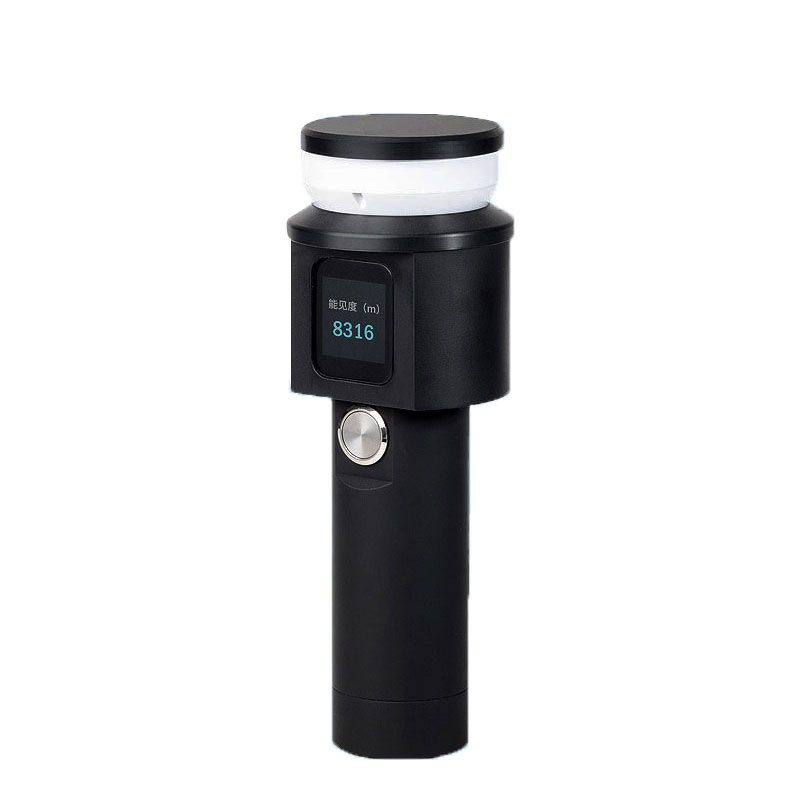
The significant advantage of Weather station data acquisition equipment lies in its high configurability and adaptability. Users can choose different models and accuracies of sensors to combine according to specific observation projects, accuracy requirements, and budget. For example, in agricultural weather stations, it may be necessary to add soil temperature and humidity sensors and photosynthetically active radiation sensors; in transportation weather stations, the focus should be on visibility sensors and road surface condition sensors. This modular design allows the equipment to be flexibly deployed in various complex application scenarios such as airports, ports, farmlands, forests, highways, research institutions, and city squares, meeting the professional needs of different fields such as meteorology, environmental protection, agriculture, transportation, education, and scientific research.
When selecting and using Weather station data acquisition equipment, comprehensive consideration should be given to the completeness of measurement parameters, the accuracy and stability of sensors, the protection level of the equipment under extreme weather conditions, the reliability of power supply and communication solutions, and the functional completeness of the data acquisition software. A well-designed and properly configured Weather station data acquisition equipment is the fundamental guarantee for obtaining long-term, continuous, and high-quality meteorological sequence data. The data collected is of irreplaceable value for weather forecasting, climate research, resource management, and various engineering activities.
Sales Manager:Ms. Emily Wang
Tel, Whatsapp:+86 15898932201
Email:info@fengtutec.com
Add:No. 155 Optoelectronic Industry Accelerator, Gaoxin District, Weifang, Shandong, China