Meteorological environment monitoring equipment supplier
Insist on doing high-precision customer favorite technology products

Meteorological environment monitoring equipment supplier
Insist on doing high-precision customer favorite technology products

Highway meteorological monitoring equipment integrates various sensing and communication technologies to provide real-time monitoring of parameters such as visibility, temperature, humidity, wind speed and direction, precipitation, and road surface conditions. Data is transmitted remotely to a cloud platform, supplying traffic management authorities with essential meteorological insights to support road safety early-warning systems.
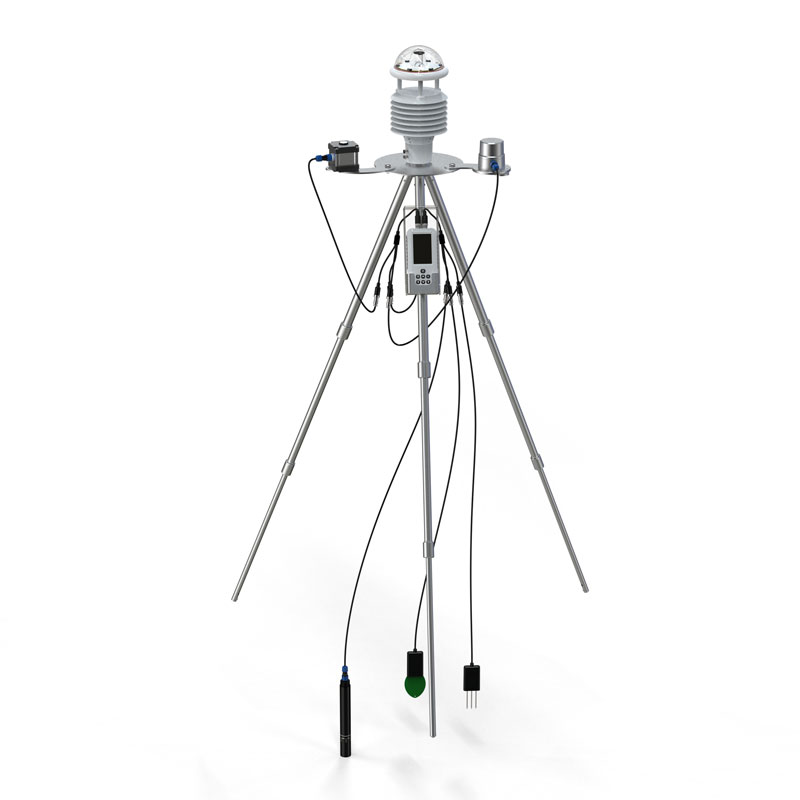
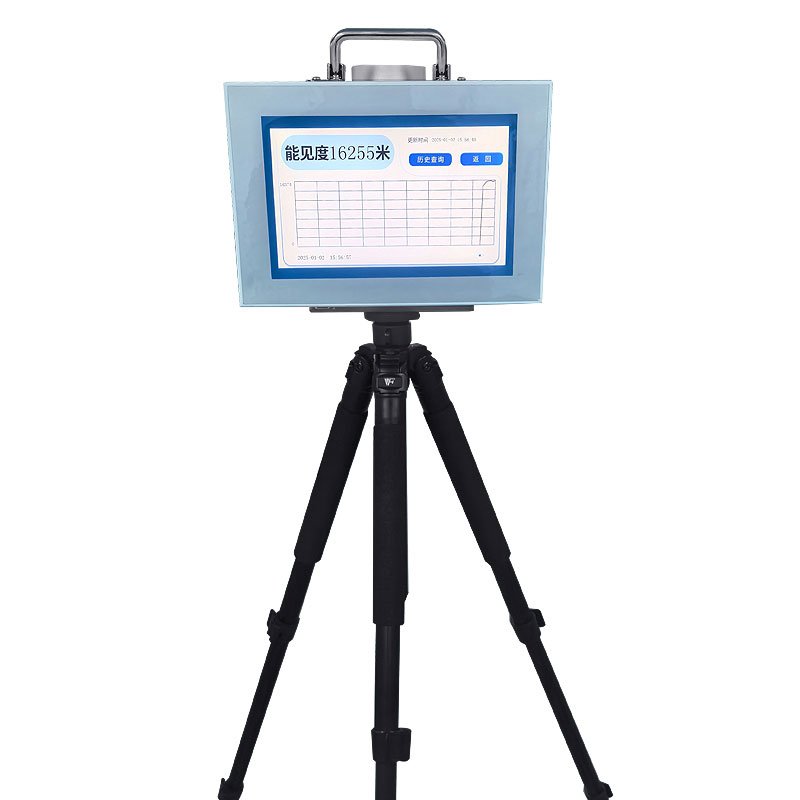
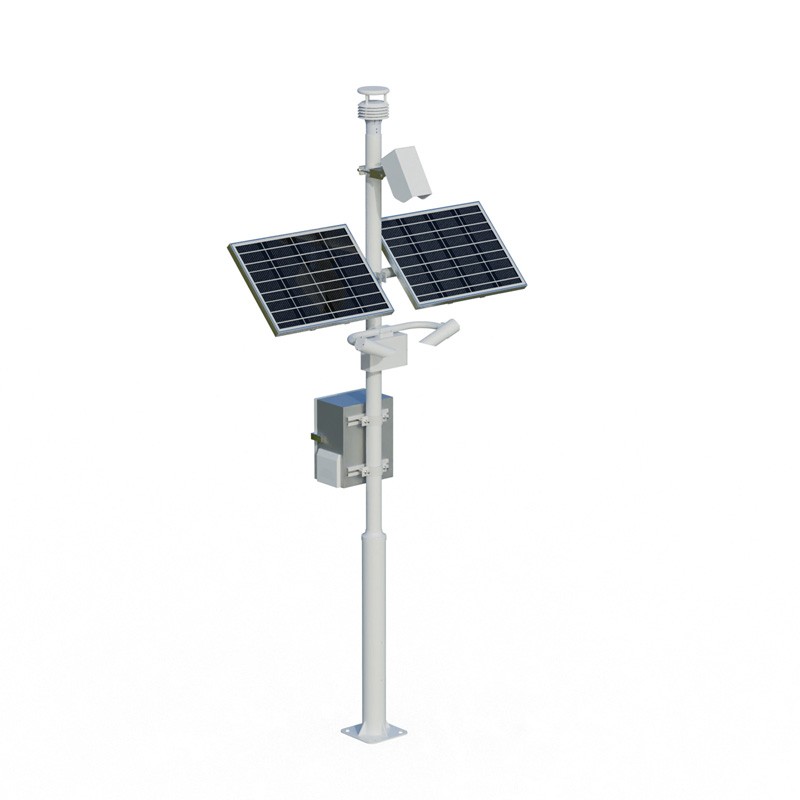
Designed specifically for transport-related meteorological services, this comprehensive monitoring equipment utilizes integrated data acquisition and control, software, and remote communication technologies. It consolidates a variety of meteorological sensors into a unified system, deployed along expressways, national highways, and other roadways to continuously collect data on local weather and road surface conditions. The system comprises visibility sensors, remote road-surface condition sensors, all-in-one meteorological sensors, data loggers, mounting masts, power supply systems, and a cloud platform. Its modular hardware design is engineered for long-term, reliable operation in outdoor roadside environments.
The visibility sensor employs infrared pulsed-light emission and reception units to detect the forward-scattering intensity of atmospheric aerosol particles, calculating the meteorological optical range via built-in algorithms. An all-in-one, six-parameter sensor simultaneously monitors temperature, humidity, wind speed, wind direction, atmospheric pressure, and precipitation. The wind sensor utilizes ultrasonic technology, with a concealed probe design that minimizes measurement errors caused by the accumulation of rain or snow, as well as interference with the local wind field. A piezoelectric precipitation sensor uses a PVDF (polyvinylidene fluoride) piezoelectric film to detect raindrops; an embedded AI neural network processes these signals, effectively filtering out false triggers caused by dust, vibrations, or debris, thereby enhancing the reliability of precipitation data.
Equipped with a standard 4G wireless transmission module, the system aggregates and remotely uploads monitoring data in real time, allowing management personnel to view live results via the cloud platform. The equipment supports both solar and grid-based power supply options, offering flexibility based on local infrastructure—making it ideal for deployment in remote areas where a mains power connection is unavailable. Road weather monitoring equipment provides continuous data on meteorological conditions along a route—including visibility, atmospheric parameters, precipitation, and road surface status (such as whether the surface is dry, wet, icy, or snow-covered)—and transmits this information to traffic management authorities. By leveraging this continuous stream of data, these authorities can assess real-time weather-related risks on the roads, implement weather-support services for traffic, and issue timely meteorological warnings. This provides a reliable basis for highway management and public travel, helping to mitigate the risks to road safety posed by adverse weather conditions such as fog, ice, and heavy rainfall.
Sales Manager:Ms. Emily Wang
Tel, Whatsapp:+86 15898932201
Email:info@fengtutec.com
Add:No. 155 Optoelectronic Industry Accelerator, Gaoxin District, Weifang, Shandong, China