Meteorological environment monitoring equipment supplier
Insist on doing high-precision customer favorite technology products

Meteorological environment monitoring equipment supplier
Insist on doing high-precision customer favorite technology products

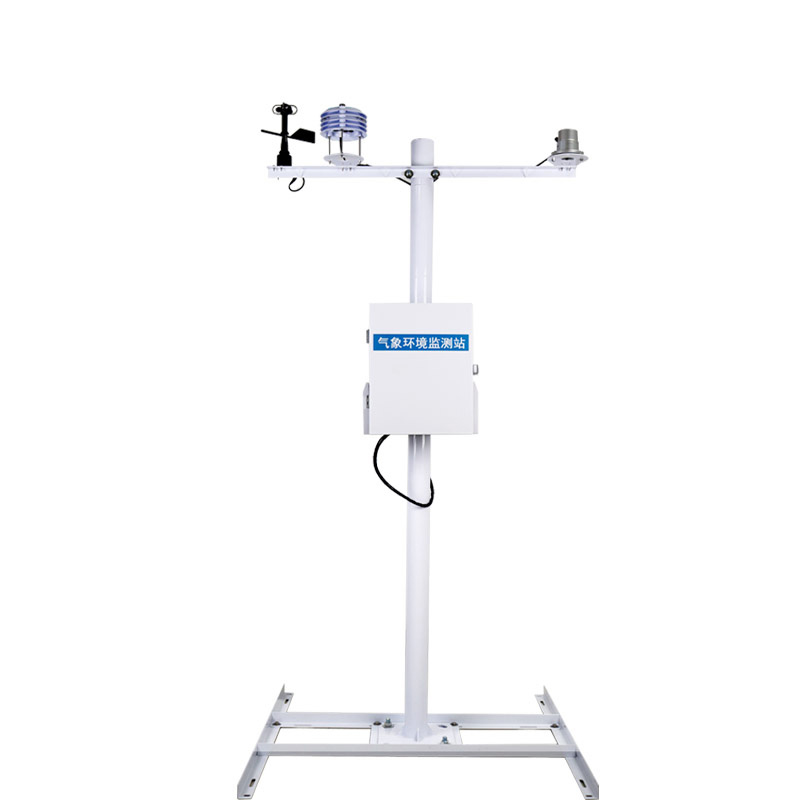
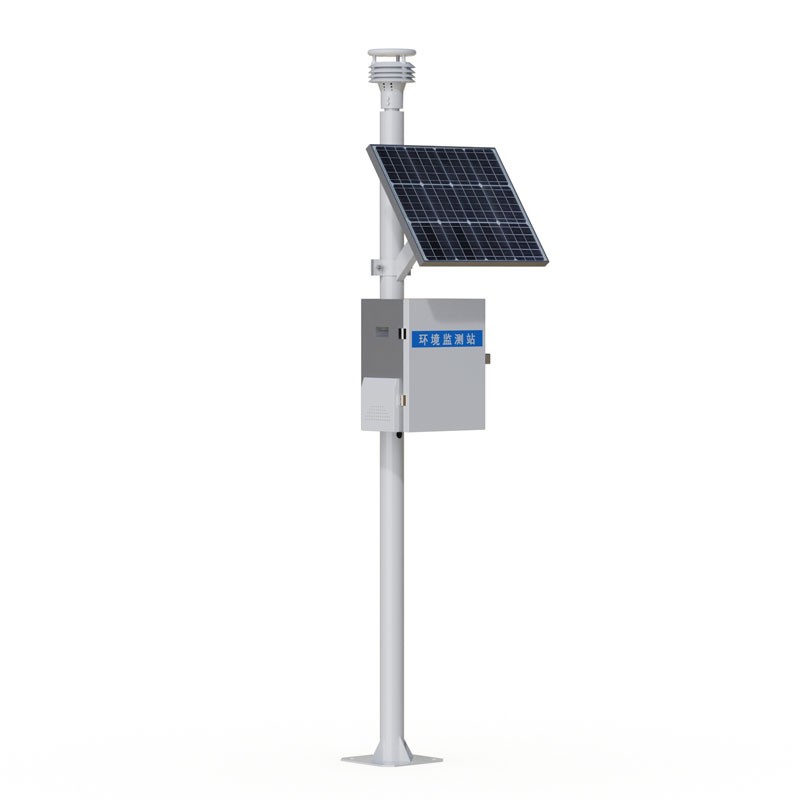
Ultrasonic weather station is a high-precision automatic meteorological device integrating the observation of five elements: wind speed, wind direction, temperature, humidity, and air pressure. It adopts the principle of continuous frequency conversion ultrasonic signal wind measurement, and its top-covered hidden probe design avoids interference from rain and snow accumulation. It is suitable for 24-hour continuous outdoor monitoring in meteorology, agriculture, environmental protection, and other fields.
Ultrasonic weather station has wide application needs in agriculture, forestry, environmental protection, marine, airports, ports, scientific research, and school education. This type of equipment needs to be highly integrated, low-power, and quick to install to ensure long-term stable operation in field environments. Compared with traditional ultrasonic weather stations, the new generation of Ultrasonic weather station overcomes the dependence on high-precision timers, effectively avoiding measurement deviations caused by sensor start-up delays, demodulation circuit delays, and temperature changes.
Ultrasonic weather station adopts a five-element integrated sensor design, integrating the monitoring of meteorological parameters such as wind speed, wind direction, temperature, humidity, and air pressure into a single sensor module. The sensor housing uses imported ASA material, effectively resisting corrosion from harsh environments such as salt spray, achieving a protection level of IP65 or higher, ensuring long-term reliability in special environments such as coastal areas and high humidity. The device supports a digital communication interface, allowing for the simultaneous output of five parameters to the user, simplifying data acquisition and processing.
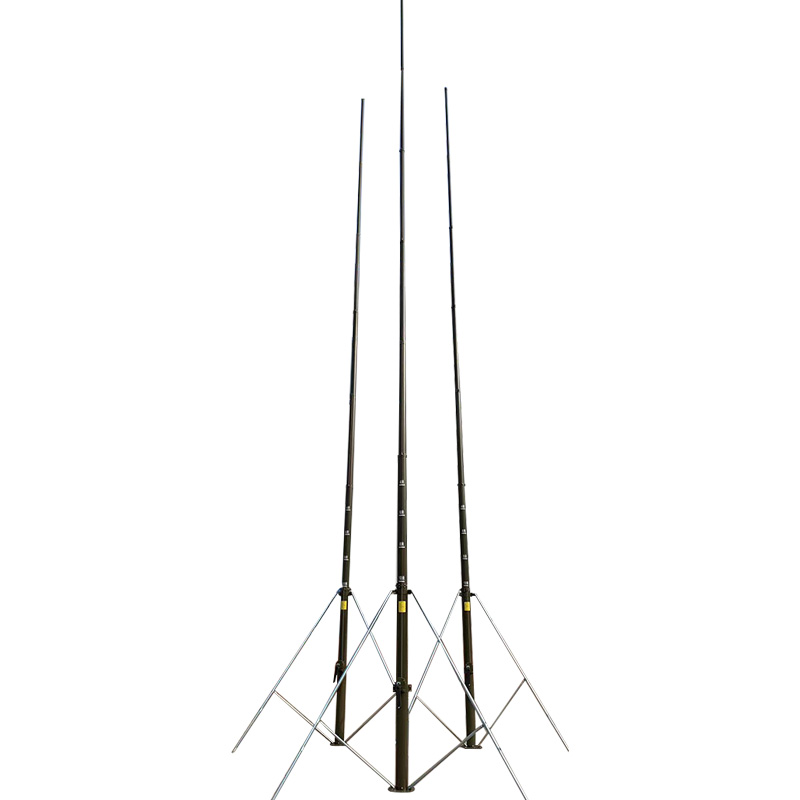
Regarding the wind measurement principle, Ultrasonic weather station employs a technology that transmits continuously variable frequency ultrasonic signals and detects wind speed and direction by measuring the relative phase. The concealed ultrasonic probe design on the top cover effectively avoids interference from rain and snow accumulation, while also preventing the impact of natural wind obstruction on data accuracy. The two-meter carbon steel bracket allows for direct sensor mounting without a flange, significantly simplifying the installation process. The device's no-debugging and rapid deployment features make it particularly suitable for emergency monitoring and temporary observation scenarios.
For data transmission, Ultrasonic weather station comes standard with a GPRS module and offers optional RJ45, Ethernet, 4-20mA, LoRa transparent transmission, 4G transparent transmission, Bluetooth, and 485 to USB transmission methods, meeting the data transmission needs of different scenarios. The equipment enables continuous online monitoring of outdoor meteorological parameters 24 hours a day and is widely used in meteorological forecasting, environmental protection, agricultural production, and geological research. It outputs five parameters at once via a digital communication interface, allowing users to directly obtain complete monitoring data for subsequent analysis and decision support.
Sales Manager:Ms. Emily Wang
Tel, Whatsapp:+86 15898932201
Email:info@fengtutec.com
Add:No. 155 Optoelectronic Industry Accelerator, Gaoxin District, Weifang, Shandong, China