Meteorological environment monitoring equipment supplier
Insist on doing high-precision customer favorite technology products

Meteorological environment monitoring equipment supplier
Insist on doing high-precision customer favorite technology products

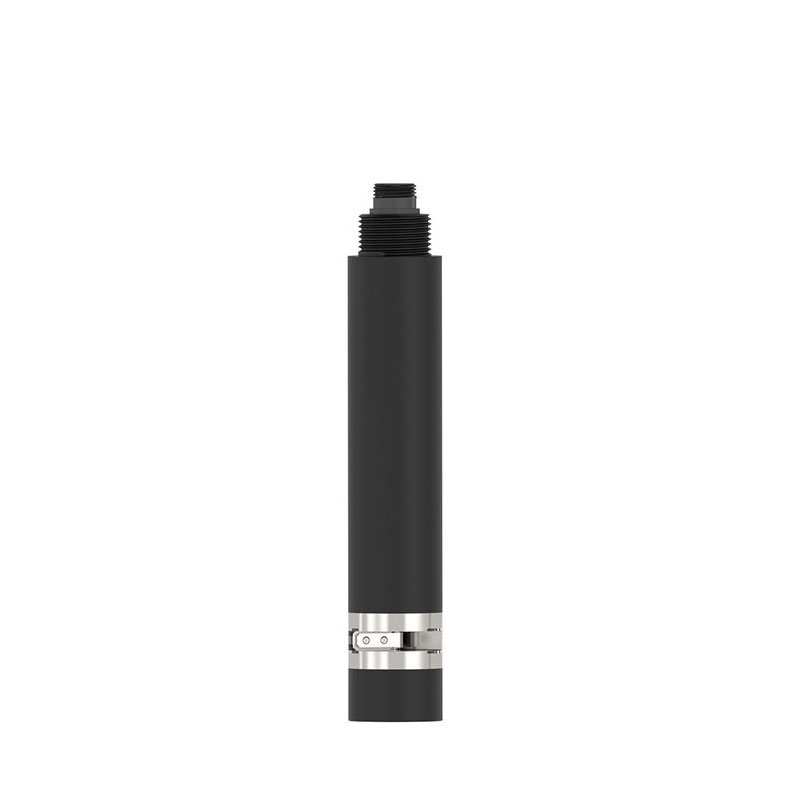
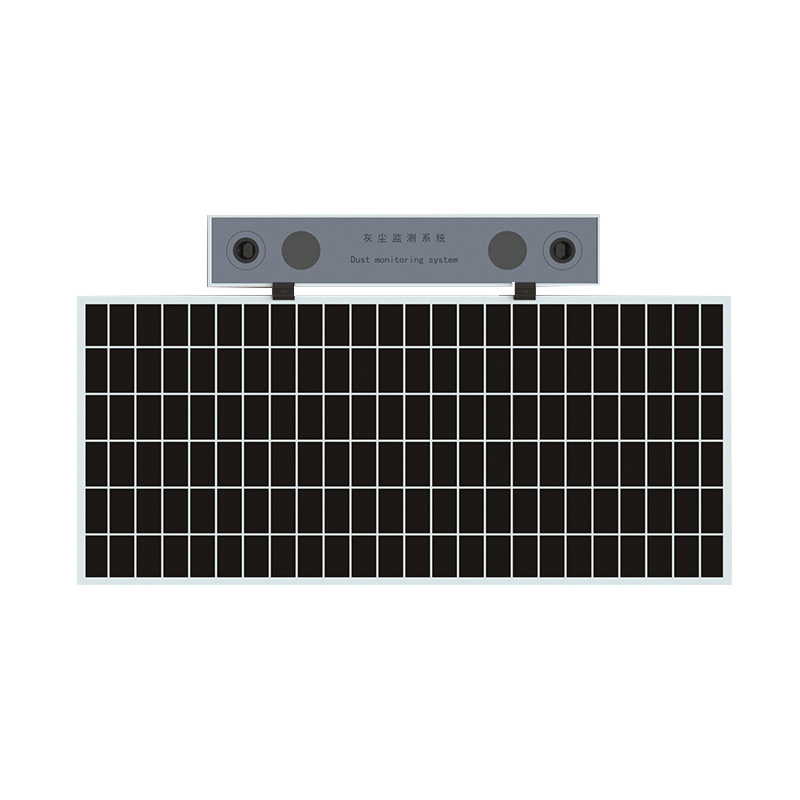
The photovoltaic power plant dust monitor uses blue light pollutant optical closed-loop measurement technology to quantify the dust accumulation on the photovoltaic panel surface in real time. The device is installed on the photovoltaic panel frame and converts the pollution ratio into power generation loss, helping maintenance personnel to initiate cleaning when dust reaches a critical point, reducing energy loss and improving power generation efficiency.
The impact of dust pollution on the power generation efficiency of photovoltaic power plants far exceeds the expectations of most maintenance personnel. Research data shows that dust accumulation can lead to an average decrease of about 20% in the output power of photovoltaic systems, while existing standard methods are only effective for monitoring during three hours a day, from 11:00 AM to 1:00 PM, failing to reflect real-time changes in dust levels. The emergence of photovoltaic power plant dust monitors has fundamentally changed this situation.
The photovoltaic power plant dust monitor uses blue light pollutant optical closed-loop measurement (OMBP) technology, which emits blue light and receives reflected light signals to accurately measure the light transmission loss caused by pollutants on the photovoltaic panel surface. Unlike traditional monitoring methods, blue light technology can effectively filter out interference from sunlight and other ambient light sources, achieving high-precision data acquisition around the clock and avoiding the limitations of limited detection only during midday. The equipment is installed on the frame of the photovoltaic panels, requiring no modification to the existing array. It can be quickly deployed in both newly built and existing power plants.
The photovoltaic power plant dust monitor collects four types of data in real time: contamination ratio, cleanliness ratio, dust thickness, and backsheet temperature. It directly calculates the percentage of power generation loss caused by dust using the contamination ratio (SR). Maintenance personnel can view the dust accumulation at each monitoring point through a remote monitoring platform. When the contamination ratio drops to a preset threshold, the system automatically issues a cleaning prompt. This mechanism avoids the waste caused by traditional experience-based periodic cleaning—cleaning too early increases unnecessary costs, while cleaning too late leads to power generation loss.
From an economic perspective, the photovoltaic power plant dust monitor requires no additional maintenance. Maintenance personnel can clean the equipment in the same way when cleaning the photovoltaic modules. The equipment guides maintenance decisions with scientific data, helping the power plant find the optimal balance between power generation efficiency and cleaning costs, avoiding the cost waste caused by blind cleaning and the risk of hot spot effects and equipment damage due to severe dust accumulation. For areas with frequent sandstorms or large ground-mounted power plants, adopting this type of monitoring equipment is an effective way to improve overall power generation revenue.
Sales Manager:Ms. Emily Wang
Tel, Whatsapp:+86 15898932201
Email:info@fengtutec.com
Add:No. 155 Optoelectronic Industry Accelerator, Gaoxin District, Weifang, Shandong, China