Meteorological environment monitoring equipment supplier
Insist on doing high-precision customer favorite technology products

Meteorological environment monitoring equipment supplier
Insist on doing high-precision customer favorite technology products

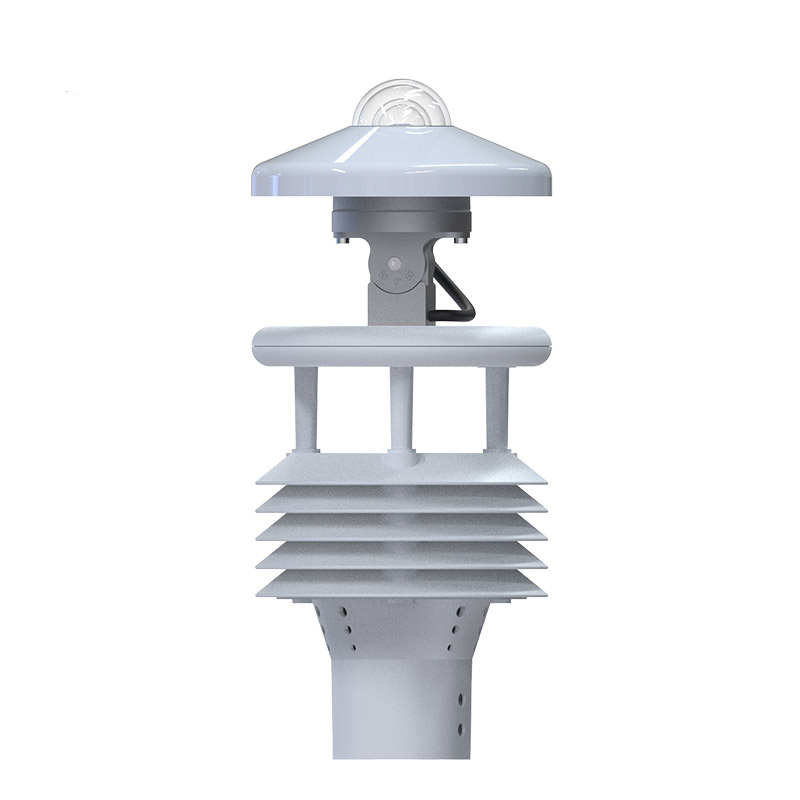
The railway weather station is a highly integrated, low-power, and rapidly installable automatic weather observation device. It utilizes an all-in-one sensor to monitor six key parameters—wind speed, wind direction, temperature, humidity, air pressure, and optical rainfall—in real time. Data is output via a digital communication interface, providing precise meteorological information to ensure safe railway operations.
Designed specifically for railway operating environments, this weather monitoring station plays a vital role in ensuring transport safety. It employs an all-in-one sensor to observe the six aforementioned meteorological elements, enabling continuous, 24-hour online monitoring of outdoor weather parameters. Unlike traditional ultrasonic weather stations, this product eliminates the need for high-precision timers, thereby avoiding measurement inaccuracies caused by sensor startup delays, demodulation circuit latency, or temperature fluctuations.
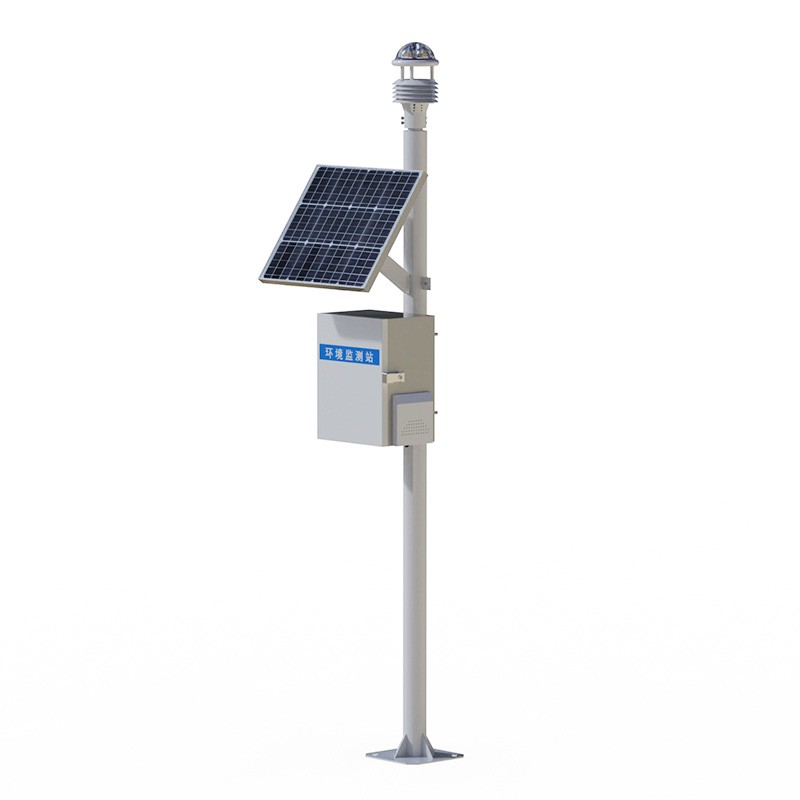
Structurally, the station features an ultrasonic probe concealed beneath the top cover, effectively preventing interference from accumulated rain or snow and avoiding obstruction by natural wind. It operates by emitting continuous frequency-modulated ultrasonic signals and measuring relative phase shifts to determine wind speed and direction. The sensor housing is made of imported ASA material, offering effective resistance to environmental factors such as salt spray, with an ingress protection rating of IP65 or higher. While GPRS transmission is standard, the device supports various optional transmission methods, including RJ45/Ethernet, 4-20mA, LoRa transparent transmission, 4G transparent transmission, Bluetooth, and RS-485-to-USB conversion. The sensor mounts directly onto the top of the two-meter carbon steel mast without the need for a flange, ensuring convenient installation.
In railway applications, the station captures critical meteorological data—such as wind speed, wind direction, and rainfall—in real time. Data processing algorithms rapidly analyze and integrate this information to ensure accuracy and timeliness. An automatic weather monitoring station has already been deployed at Suning North Station on the Shuohuang Railway, enhancing the section's capabilities regarding weather monitoring, forecasting, and early warning. With its high-precision monitoring capabilities, the railway wind-hazard warning station serves as a crucial safeguard for modern railway transport safety, enabling long-term data accumulation and trend analysis to predict potential extreme weather events. These weather stations support remote data transmission and automated control, allowing users to view monitoring data at any time via mobile phones or computers.
Meteorological data collected by these railway weather stations can be deeply integrated with railway maintenance systems to guide track upkeep schedules. By analyzing temperature fluctuations and data on rail expansion and contraction, the system optimizes stress-release cycles for continuous welded rails, thereby reducing the risk of track deformation caused by thermal expansion and contraction. These stations also facilitate the establishment of information-sharing mechanisms for monitoring railway-related weather hazards. Requiring no on-site calibration and allowing for rapid deployment, the equipment is widely used across sectors such as meteorology, agriculture, forestry, environmental protection, marine operations, aviation, port management, scientific research, and education. To meet the need for enhanced safety management during adverse weather conditions, these stations provide railway authorities with accurate and timely meteorological data.
Sales Manager:Ms. Emily Wang
Tel, Whatsapp:+86 15898932201
Email:info@fengtutec.com
Add:No. 155 Optoelectronic Industry Accelerator, Gaoxin District, Weifang, Shandong, China