Meteorological environment monitoring equipment supplier
Insist on doing high-precision customer favorite technology products

Meteorological environment monitoring equipment supplier
Insist on doing high-precision customer favorite technology products

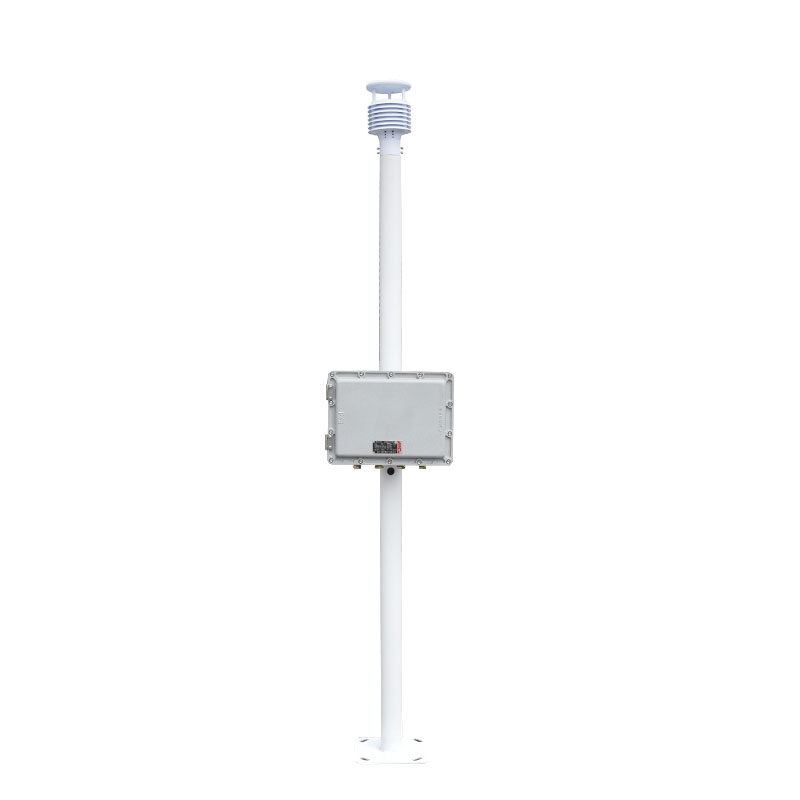
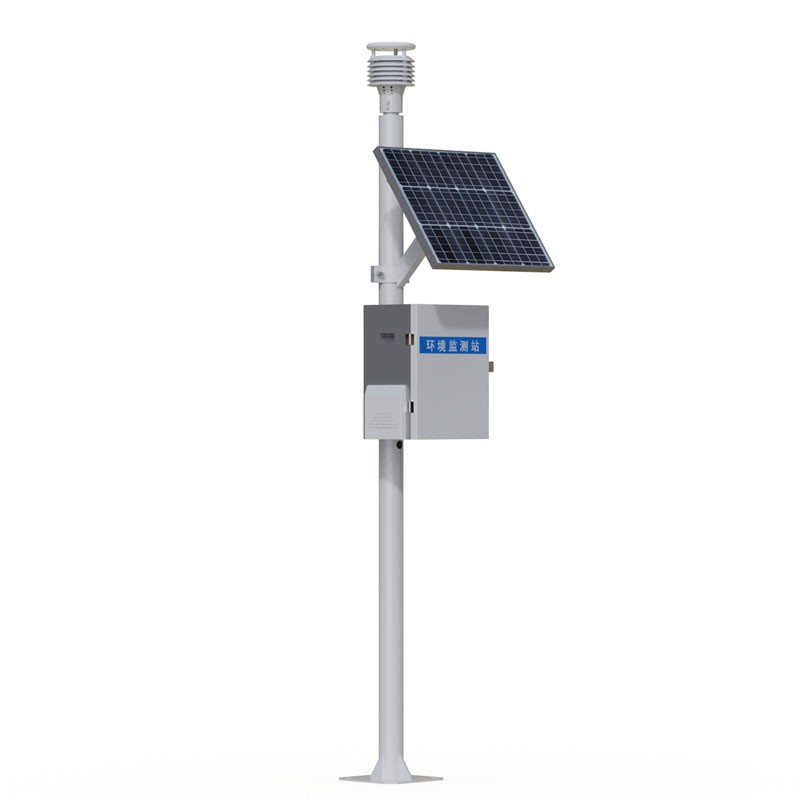
Environmental weather station is an integrated device combining multiple sensors, capable of real-time data acquisition and output for various environmental parameters such as temperature, humidity, PM2.5, PM10, and noise levels. Characterized by low power consumption and ease of installation, the system is widely applicable to monitoring scenarios in meteorology, agriculture, environmental protection, and campus environments.
Environmental weather station is an intelligent, multi-sensor integrated device primarily designed to monitor indoor air quality parameters. Its core function involves using various sensors to monitor and collect real-time data on environmental indicators such as temperature, humidity, particulate matter concentration, and noise levels. As public awareness regarding indoor air quality grows, such systems are increasingly deployed in homes, offices, schools, and hospitals.
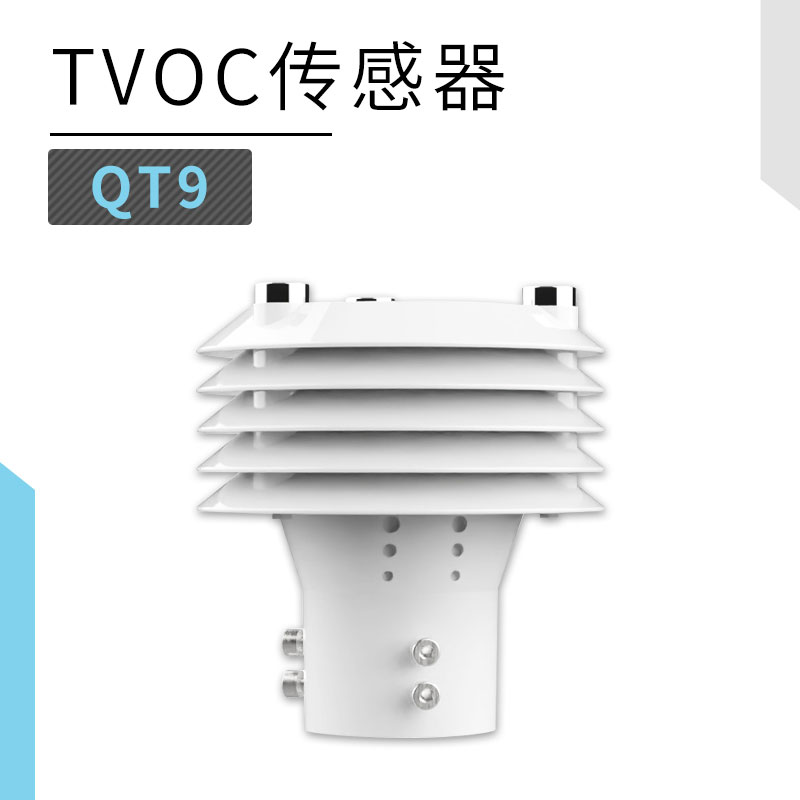
In terms of system architecture, Environmental weather station typically comprises a sensor module, a data collector, a communication module, and a software platform. The sensor module detects various physical and chemical environmental parameters, utilizing components such as temperature and humidity sensors, PM2.5 and PM10 particulate sensors, noise sensors, and formaldehyde/VOC gas sensors. The data collector conditions and digitizes sensor signals, while the communication module transmits the data to a cloud-based or local monitoring platform via interfaces such as Wi-Fi, Ethernet, RS485, or LoRa. Users can view monitoring data in real-time via computers or mobile devices, and the system can automatically issue alerts when parameters exceed preset thresholds.
Regarding technical features, the new generation of Environmental weather station generally employs an integrated sensor design that consolidates multiple monitoring elements into a single unit, effectively reducing device size and installation complexity. For instance, an "eight-in-one" integrated sensor can simultaneously monitor wind speed, wind direction, temperature, humidity, atmospheric pressure, PM2.5, PM10, and noise, outputting all parameters through a digital communication interface. This integrated design not only lowers system power consumption but also enhances measurement consistency and reliability. Compared to traditional ultrasonic weather stations, the integrated sensor approach eliminates reliance on high-precision timers, thereby avoiding measurement errors caused by sensor startup delays, circuit latency, and temperature fluctuations. In terms of application scenarios, Environmental weather station is widely used across diverse fields such as meteorological observation, agricultural production, forestry monitoring, environmental protection, marine research, airport and port operations, scientific expeditions, and campus education. The system's rapid deployment capabilities and "zero-commissioning" design make it particularly well-suited for field monitoring and temporary observation tasks. Regarding indoor air quality regulation, environmental protection agencies are promoting the installation of automatic, continuous monitoring systems in public venues to track real-time fluctuations in temperature, humidity, and pollutant concentrations, thereby providing data to support indoor environment improvements. Driven by continuous advancements in IoT and sensor technologies, Environmental weather station is evolving toward higher precision, lower power consumption, and enhanced intelligence.
Sales Manager:Ms. Emily Wang
Tel, Whatsapp:+86 15898932201
Email:info@fengtutec.com
Add:No. 155 Optoelectronic Industry Accelerator, Gaoxin District, Weifang, Shandong, China