Meteorological environment monitoring equipment supplier
Insist on doing high-precision customer favorite technology products

Meteorological environment monitoring equipment supplier
Insist on doing high-precision customer favorite technology products

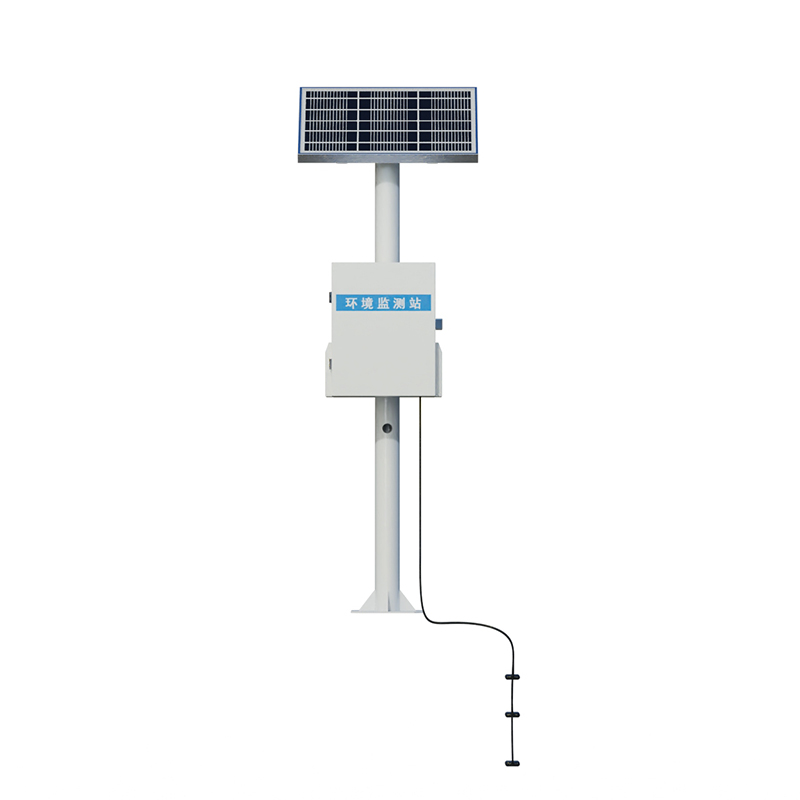
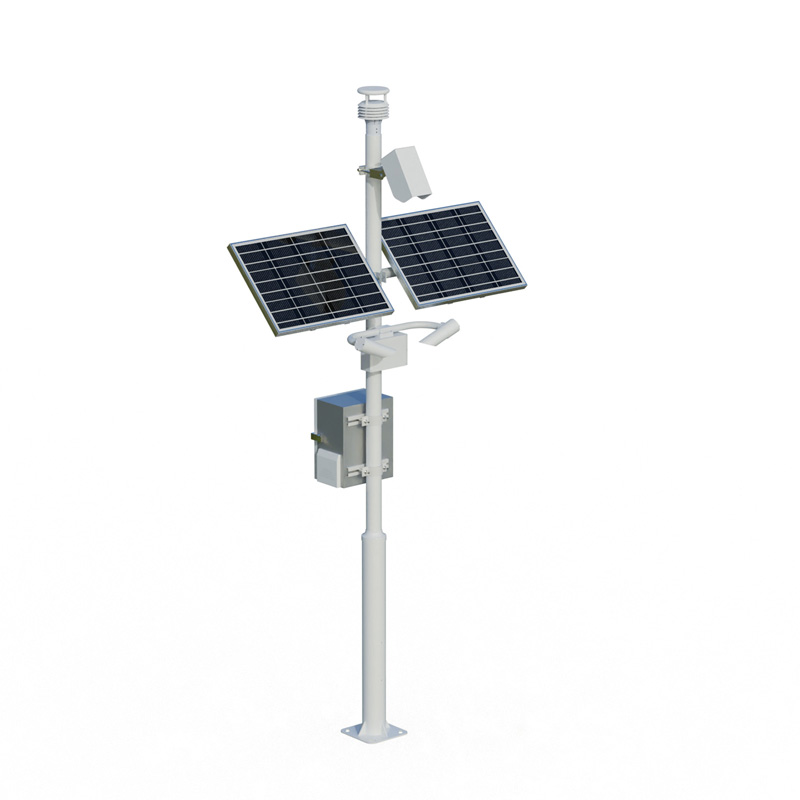
Traffic meteorological stations are comprehensive multi-element monitoring devices specifically designed for the transportation sector. They are mainly distributed along highways, tunnels, bridges, and urban roads, and can monitor various meteorological elements such as visibility, wind speed, and wind direction in real time, transmitting the data to relevant departments to assist in traffic management.
Traffic meteorological stations are professional monitoring facilities designed specifically for traffic meteorological services. They consist of multiple networked monitoring stations and are widely used in various traffic scenarios such as highways, tunnels, bridges, and urban roads. Their core function is to monitor road traffic meteorological conditions in real time, covering key meteorological elements such as visibility, wind speed, wind direction, temperature, humidity, atmospheric pressure, rainfall, and road surface conditions, providing accurate data support for traffic management.
The equipment adopts a modular design, integrating multiple high-precision sensors, and can operate stably in all weather conditions, unaffected by severe weather. The monitored meteorological data is transmitted in real time to traffic management, meteorological, and other relevant departments through data processing and transmission equipment, ensuring that staff can promptly grasp the dynamics of road weather. Whether it's severe weather like heavy fog or strong winds, or changes in road conditions such as dryness, wetness, or icing, the data can be accurately captured and reported.
In practical applications, traffic weather stations play a crucial role. High traffic volume and speeds on highways, coupled with low visibility and strong crosswinds, easily lead to traffic accidents. Real-time monitoring data allows relevant departments to issue timely warnings and adjust traffic control measures, reducing accident risks. In urban roads, monitoring data helps optimize traffic scheduling and address the impact of heavy rain and snow. For special road sections such as tunnels and bridges, weather stations can specifically monitor local weather changes to ensure traffic safety.
As intelligent traffic monitoring equipment, traffic weather stations require no manual operation, enabling automatic data collection, transmission, and analysis, significantly improving the efficiency of traffic meteorological services. Their network operation mode can form a comprehensive traffic meteorological monitoring network, achieving complete control over weather conditions along traffic routes. This provides reliable guarantees for safe road passage, traffic emergency response, and maintenance management, contributing to the improvement of the operational safety and efficiency of the modern transportation system.
Sales Manager:Ms. Emily Wang
Tel, Whatsapp:+86 15898932201
Email:info@fengtutec.com
Add:No. 155 Optoelectronic Industry Accelerator, Gaoxin District, Weifang, Shandong, China