Meteorological environment monitoring equipment supplier
Insist on doing high-precision customer favorite technology products

Meteorological environment monitoring equipment supplier
Insist on doing high-precision customer favorite technology products

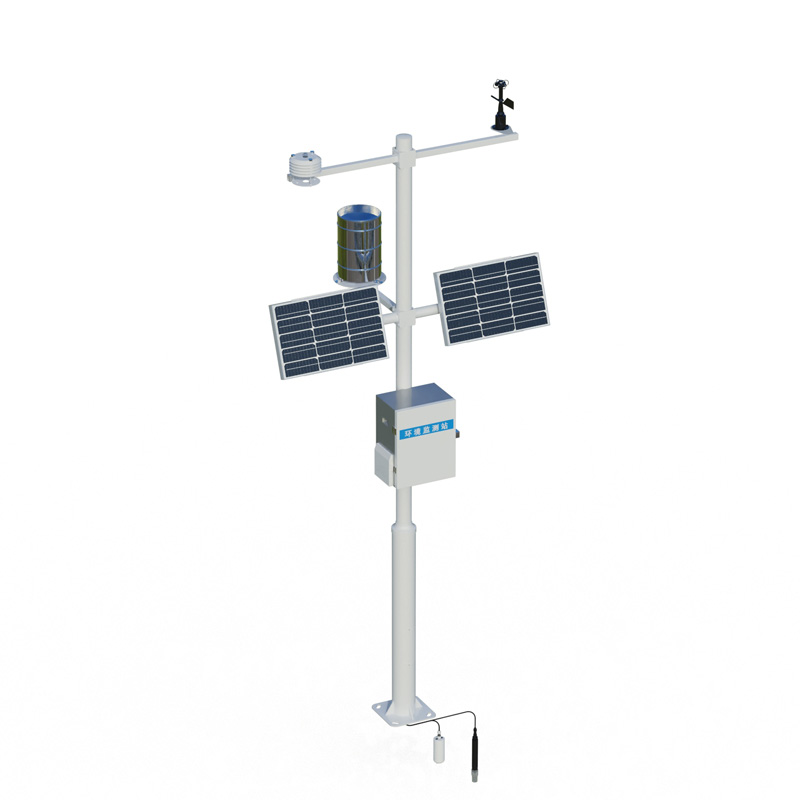
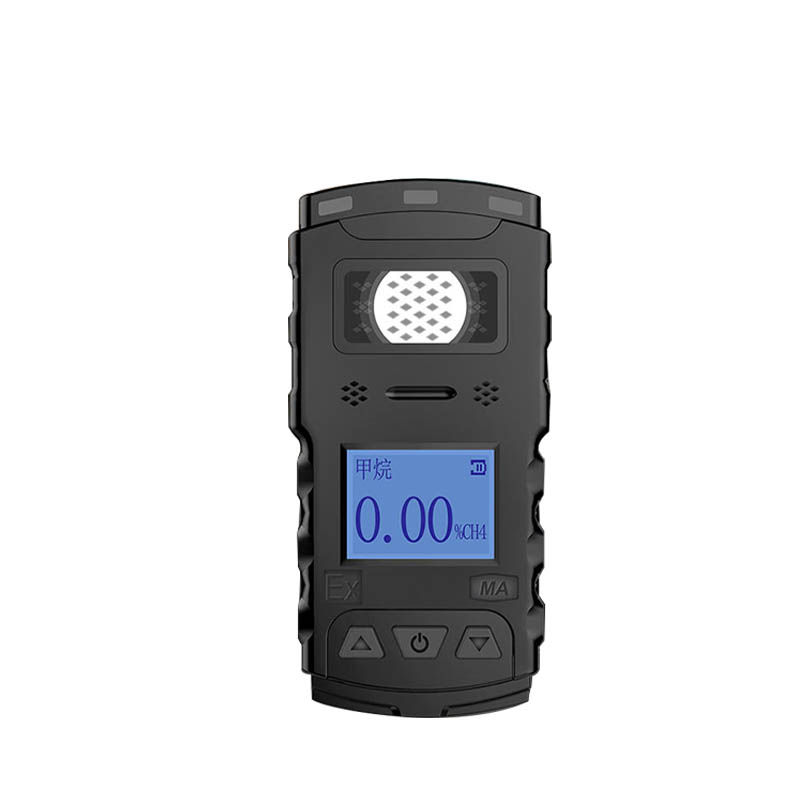
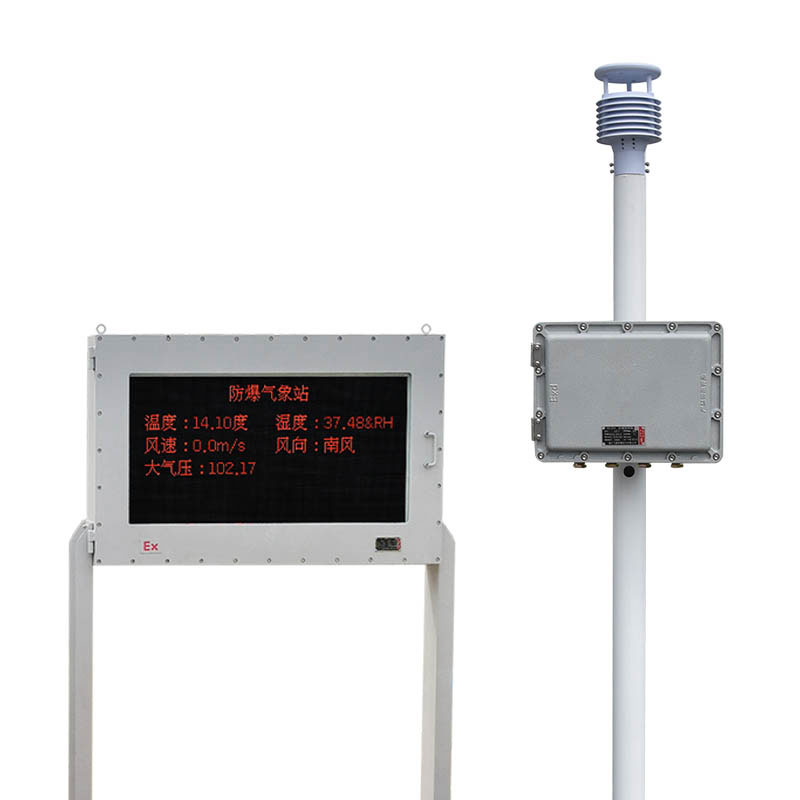
Meteorological monitoring equipment for major hazard sources features a high protection level design with corrosion resistance, explosion protection, waterproofing, shock resistance, and dustproofing, making it suitable for chemical plants, oil depots, tunnels, mines, and other environments. This equipment monitors parameters such as wind speed, wind direction, and ambient temperature, ensuring the safety of hazardous material storage areas and meeting the requirements of new, renovated, and expanded hazardous chemical projects.
In the field of hazardous chemical management, Meteorological monitoring equipment for major hazard sources is a necessary measure for safe production. Accident prevention and emergency response depend on accurate meteorological data; therefore, specialized monitoring equipment needs to operate stably in harsh environments. The high protection level design concept ensures equipment reliability, covering aspects such as corrosion resistance, explosion protection, waterproofing, shock resistance, and dustproofing. Corrosion-resistant design uses corrosion-resistant materials such as stainless steel or special coatings to resist chemical corrosion. Explosion-proof design follows international standards such as ATEX, using intrinsically safe or explosion-proof structures to eliminate the risk of sparks. Waterproof design reaches IP68 level, preventing damage from rain or high humidity. Shock-resistant design reduces vibration interference through mechanical reinforcement. Dustproof design seals internal components to prevent dust accumulation. These features allow the equipment to adapt to diverse scenarios.
Meteorological monitoring equipment for major hazard sources is suitable for environments such as chemical plants, oil depots, tunnels, and mines. Chemical plants have corrosive substances, and the equipment's corrosion resistance extends its service life. Oil depot areas are flammable and explosive, and the explosion-proof design enhances safety. Tunnels are humid and dusty, and the waterproof and dustproof functions maintain performance. Mines experience strong vibrations, and the shock-resistant design protects sensor accuracy. In addition, the equipment can also be used in other hazardous areas such as ports and storage areas, meeting the needs of complex working conditions.
Monitoring instruments for parameters such as wind speed, wind direction, and ambient temperature should be installed in major hazardous material storage areas. Wind speed sensors measure wind speed to assess gas diffusion speed. Wind vanes indicate the direction of pollution, assisting in emergency decision-making. Temperature sensors monitor ambient heat, providing early warning of fire risks. These instruments collect data in real time and transmit it to the control center via wired or wireless networks. Data analysis software generates warning reports, improving regulatory efficiency. Tank farm monitoring helps detect abnormalities early, reducing the probability of accidents.
For new, renovated, and expanded hazardous chemical projects, meteorological monitoring equipment needs to be integrated from the planning stage. New projects can optimize equipment layout to ensure coverage of critical areas. The renovation project can upgrade existing systems and improve monitoring accuracy. The expansion project requires extending the monitoring network and integrating existing infrastructure. The high protection rating of the equipment reduces maintenance frequency and lowers life cycle costs. In terms of compliance, the equipment should comply with national regulations such as the "Regulations on the Safe Management of Hazardous Chemicals" and obtain relevant certifications. During construction, equipment installation needs to consider environmental factors, such as avoiding obstacles to ensure data accuracy.
Overall, the Meteorological monitoring equipment for major hazard sources system, through its high-protection design, provides continuous and reliable data support under extreme conditions. It not only meets current safety standards but also adapts to future technological upgrades. In the hazardous chemicals industry, this equipment is a fundamental tool for risk management, helping to achieve safe production goals. As industrial development progresses, monitoring equipment will focus more on intelligent integration, such as connecting to IoT platforms for remote monitoring and automatic alarms, further strengthening protection capabilities.
Sales Manager:Ms. Emily Wang
Tel, Whatsapp:+86 15898932201
Email:info@fengtutec.com
Add:No. 155 Optoelectronic Industry Accelerator, Gaoxin District, Weifang, Shandong, China