Meteorological environment monitoring equipment supplier
Insist on doing high-precision customer favorite technology products

Meteorological environment monitoring equipment supplier
Insist on doing high-precision customer favorite technology products

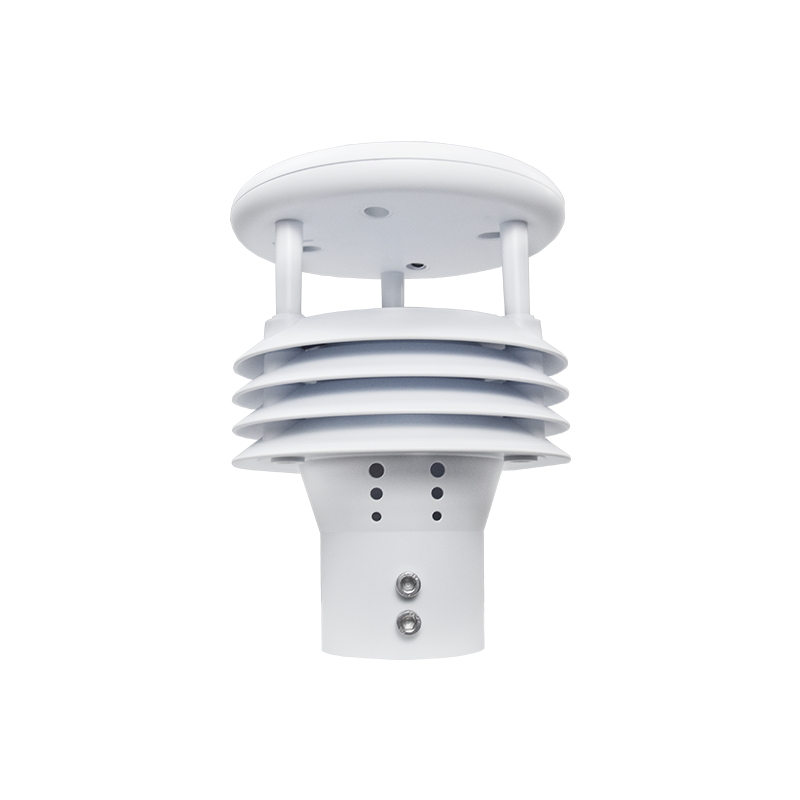
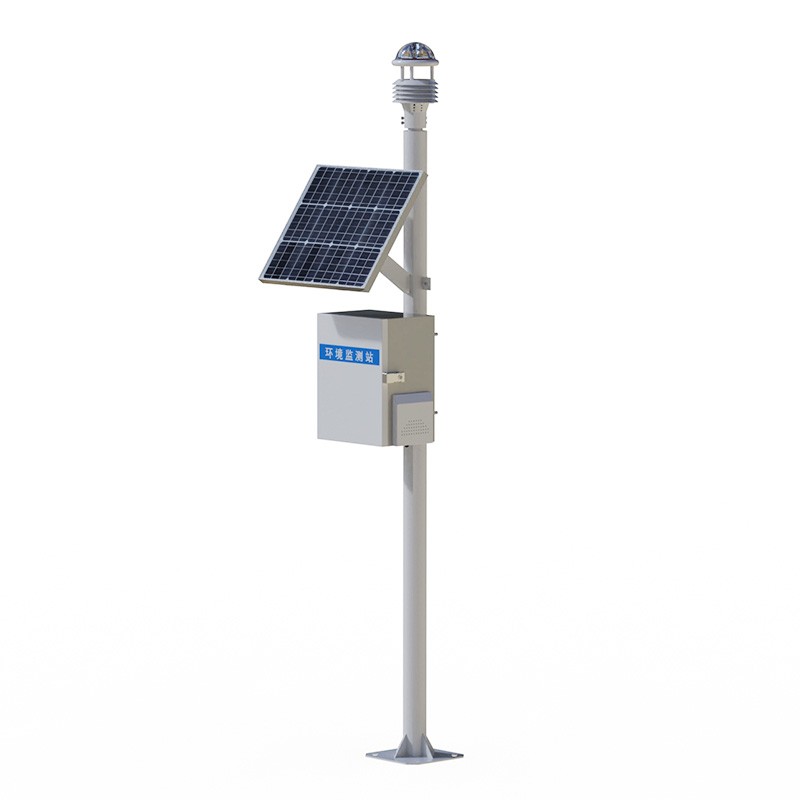
Railway weather stations are high-precision, low-power, and easy-to-install automatic observation devices. Featuring an integrated sensor design, they provide all-weather monitoring of multiple meteorological parameters—such as wind speed, wind direction, temperature, and humidity—and are suitable for complex field environments, offering precise data support for safe railway operations and maintenance.
Designed for outdoor field monitoring, these high-precision automatic weather stations feature a highly integrated structure. Key characteristics include low power consumption, a "plug-and-play" setup (requiring no on-site calibration), and rapid deployment capabilities. They are adaptable to diverse and complex operating environments—such as railway corridors and open wilderness—offering stability and practicality far superior to traditional monitoring equipment. Overcoming the technical limitations of conventional ultrasonic weather stations, this device eliminates the need for high-precision timers and fundamentally avoids measurement errors caused by sensor startup delays, circuit demodulation deviations, and temperature fluctuations, thereby effectively enhancing the accuracy and stability of weather data acquisition.
Equipped with an integrated "eight-in-one" sensor, the station simultaneously collects real-time data on wind speed, wind direction, temperature, humidity, air pressure, PM2.5, PM10, and noise levels. Certain models offer expandable capabilities for monitoring rainfall and optical precipitation, enabling continuous 24-hour online monitoring of outdoor weather parameters. The hardware structure is specially optimized, featuring a concealed ultrasonic probe design beneath the top cover; this effectively prevents interference from accumulated rain or snow and wind obstruction, ensuring high-quality data acquisition during adverse weather conditions. Utilizing a continuous frequency-modulated ultrasonic signal transmission principle, the device determines wind speed and wind direction by measuring relative phase shifts, ensuring a scientific, precise monitoring method and stable, reliable data output.
Regarding materials and protection, the sensor housing is constructed from imported ASA material, offering excellent resistance to corrosion and salt spray. With an ingress protection rating of IP65 or higher, the device withstands harsh outdoor conditions—including prolonged exposure to sunlight, rain, wind, and sand—over the long term. It comes with a two-meter carbon steel mounting bracket that allows for direct slip-fit installation without the need for flanges, significantly simplifying field installation procedures and shortening deployment timelines. The device offers exceptional adaptability regarding transmission methods; it comes standard with 4G connectivity and supports a wide range of options—including RJ45 Ethernet, 4–20 mA, LoRa transparent transmission, Bluetooth, and RS-485-to-USB—enabling the comprehensive output of all monitoring parameters to meet diverse data transmission and integration requirements. Beyond railway safety monitoring, the device is suitable for broad application across fields such as meteorological observation, agriculture, forestry, environmental protection, port and airport operations, and scientific research.
Sales Manager:Ms. Emily Wang
Tel, Whatsapp:+86 15898932201
Email:info@fengtutec.com
Add:No. 155 Optoelectronic Industry Accelerator, Gaoxin District, Weifang, Shandong, China