Meteorological environment monitoring equipment supplier
Insist on doing high-precision customer favorite technology products

Meteorological environment monitoring equipment supplier
Insist on doing high-precision customer favorite technology products

Meteorological monitoring system can perform real-time observation of meteorological elements such as wind speed, wind direction, temperature, humidity, and atmospheric pressure. It is a multi-element monitoring system used for monitoring local meteorological environments, enabling real-time and continuous monitoring of meteorological elements in a specific area.
Meteorological monitoring system is a professional device for high-precision, high-frequency data acquisition of local, small-scale environmental meteorological conditions. The system integrates multiple sensors and can simultaneously measure core meteorological parameters such as wind speed, wind direction, air temperature, air humidity, and atmospheric pressure. Its design purpose is to obtain accurate meteorological data at specific points or within a limited area, compensating for the shortcomings of traditional large-scale meteorological observation networks in terms of spatial resolution.
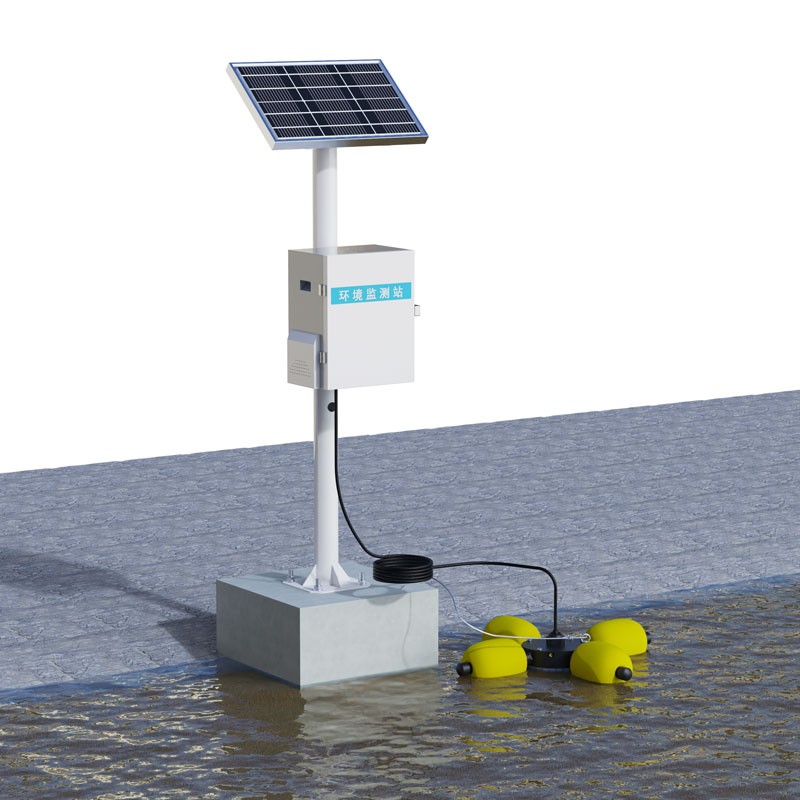
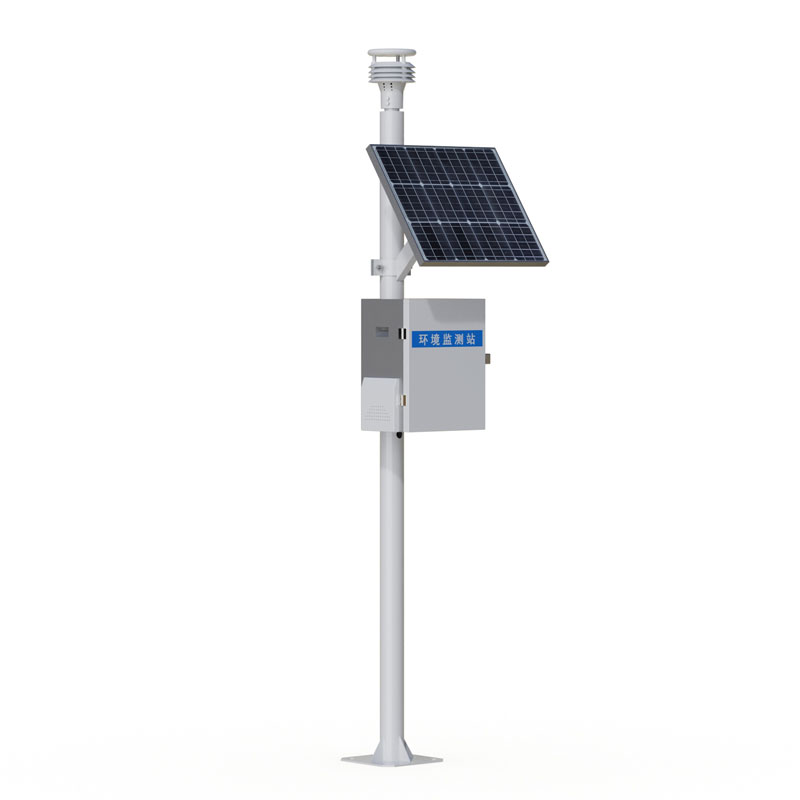
The system typically consists of a sensor unit, a data collector, a power supply module, and a communication unit. The sensor unit is responsible for sensing changes in various meteorological elements and converting physical signals into electrical signals. The data collector collects signals from each sensor at set time intervals, performing preliminary processing and storage. The power supply module often uses a solar panel paired with a battery to ensure long-term stable operation in outdoor environments without mains power. The communication unit transmits the collected data to a central server or cloud platform in real time via wired or wireless means, allowing users to access and analyze the data remotely.
The application fields of Meteorological monitoring system are very broad. In the wind power sector, it is used for wind resource assessment before wind farm site selection and for power prediction and optimization during operation. In agriculture, the system provides microclimate data for precision agriculture management, assisting in irrigation, fertilization, and pest and disease control decisions. In the transportation sector, it is deployed on key sections of highways, railways, and airports to monitor dangerous weather conditions such as fog, crosswinds, and road icing, improving traffic safety. In the environmental protection sector, it serves as an important component of atmospheric pollution monitoring networks, combining meteorological data to analyze the diffusion and transport patterns of pollutants. In addition, the system plays an indispensable role in forest fire prevention, emergency rescue, urban climate research, and large-scale engineering project construction support.
Compared with macroscopic weather forecasting, the data provided by Meteorological monitoring system has higher spatiotemporal resolution, capable of capturing subtle meteorological differences caused by underlying surface characteristics such as topography, buildings, and vegetation. This real-time, continuous local regional data enables users to accurately understand current weather conditions and respond promptly. The accumulation of historical data also provides a detailed data foundation for analyzing the climate characteristics of the region and assessing the environmental impact of engineering projects.
With the continuous advancements in the Internet of Things, low-power wide-area network communication, and sensor technologies, Meteorological monitoring system is evolving towards lower power consumption, smaller size, higher integration, and greater intelligence. In the future, by deploying denser monitoring networks at lower costs and deeply integrating with artificial intelligence data analysis models, this system will be able to provide more accurate and forward-looking local meteorological information services and decision support for various industries.
Sales Manager:Ms. Emily Wang
Tel, Whatsapp:+86 15898932201
Email:info@fengtutec.com
Add:No. 155 Optoelectronic Industry Accelerator, Gaoxin District, Weifang, Shandong, China