Meteorological environment monitoring equipment supplier
Insist on doing high-precision customer favorite technology products

Meteorological environment monitoring equipment supplier
Insist on doing high-precision customer favorite technology products

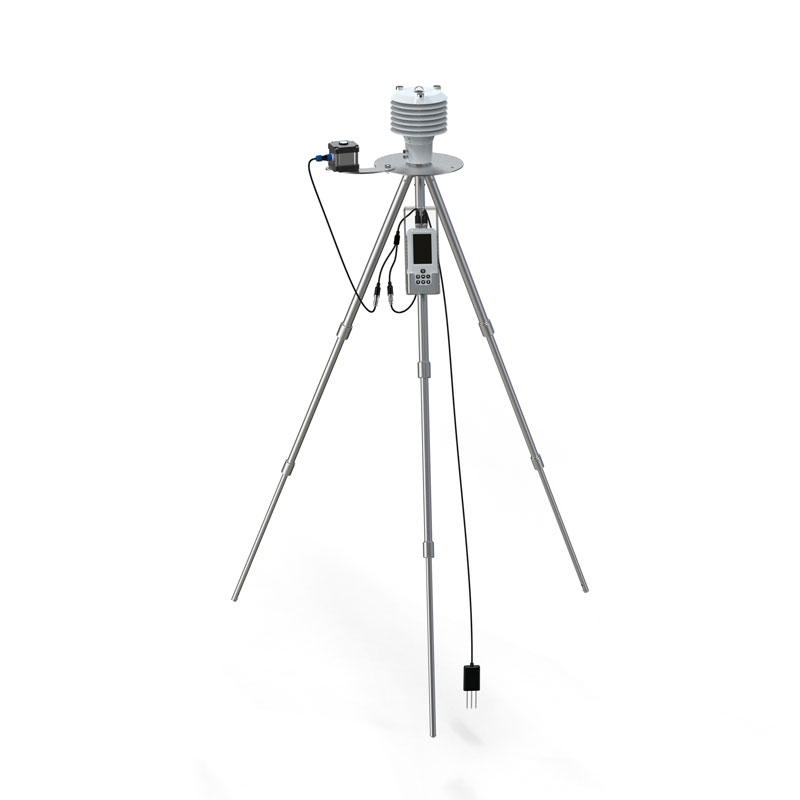
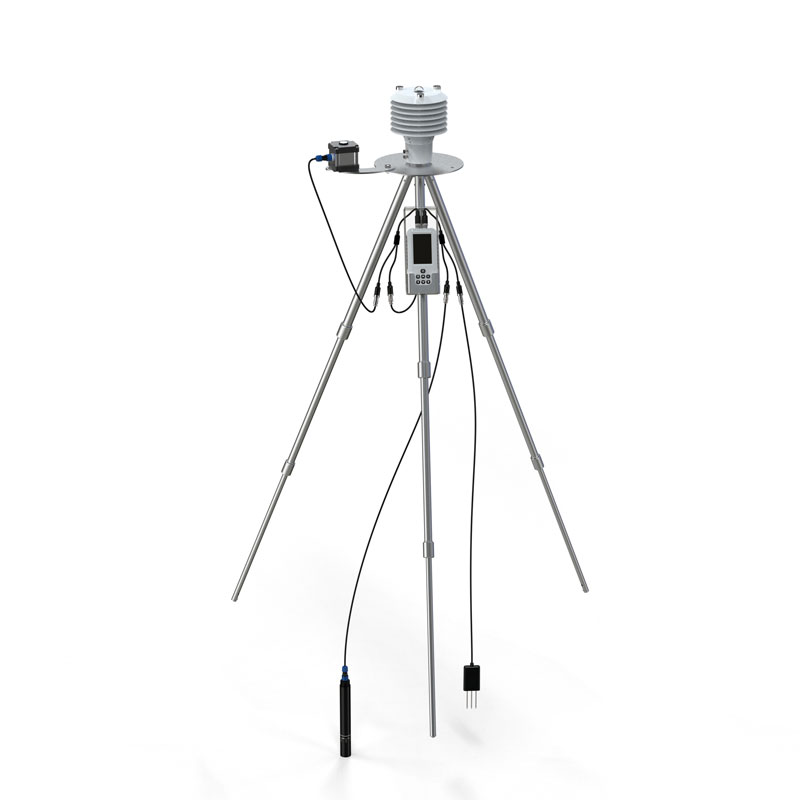
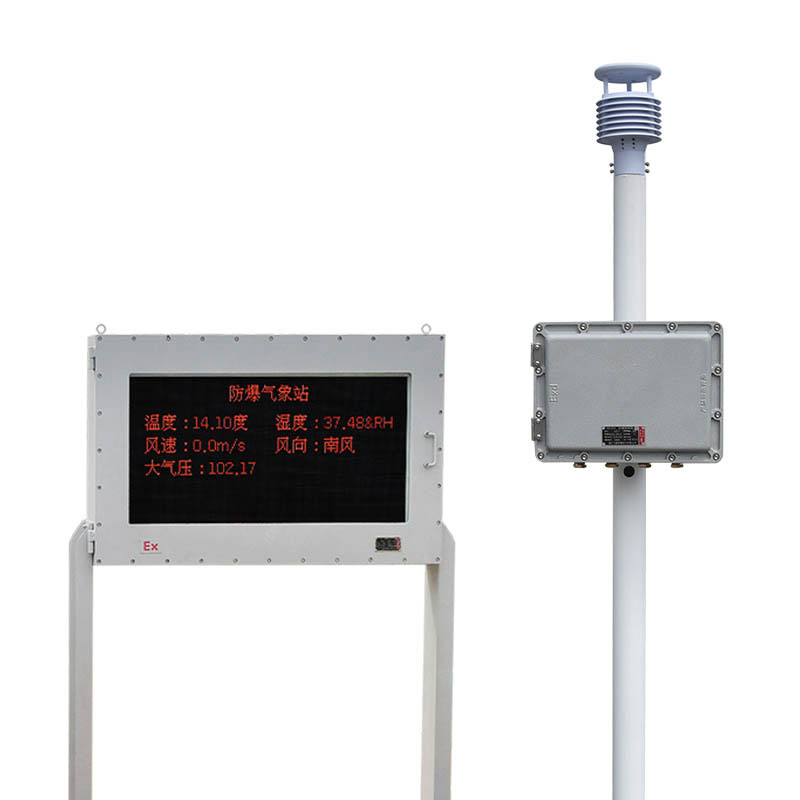
Industrial Weather Station is specifically designed for flammable and explosive environments—such as chemical plants and oil depots—integrating sensors for five key parameters: wind speed, wind direction, temperature, humidity, and atmospheric pressure. Featuring a corrosion-resistant and explosion-proof structure, it enables highly reliable automated meteorological monitoring.
Industrial Weather Station is an integrated automated monitoring device developed to address the unique meteorological monitoring requirements of high-risk industries, including petrochemicals, coal mining, and electric power. Since these locations often contain flammable or explosive gases and dust—rendering standard meteorological equipment unsafe for use—Industrial Weather Station was designed from the outset with protection ratings and safety as its core priorities. The device enclosure is constructed from corrosion-resistant materials, and its overall structure complies with explosion-proof standards, effectively preventing internal circuitry from generating sparks that could trigger safety incidents. Furthermore, the device features water-resistant, dust-proof, and shock-resistant properties, ensuring stable, long-term operation in harsh outdoor environments.
In terms of functional configuration, Industrial Weather Station integrates five meteorological parameters—wind speed, wind direction, air temperature, relative humidity, and atmospheric pressure—into a single unit. By utilizing an integrated sensor structure, it minimizes external wiring points and enhances overall system reliability. Sensor data is processed in real-time by a dedicated acquisition unit; the system supports multiple communication protocols—including RS485, Ethernet, and 4G—allowing for seamless integration into existing enterprise monitoring systems or third-party cloud platforms to facilitate remote viewing and data analysis. The device offers flexible power supply options, supporting various schemes such as DC power and solar power, to adapt to diverse on-site conditions.
The primary application scenarios for Industrial Weather Station include chemical plant zones, oil depots, gas stations, coal mine shafts, LNG receiving terminals, and hazardous chemical storage facilities. By providing real-time monitoring of wind direction and speed, the system offers a critical basis for predicting the dispersion paths of potential gas leaks. Additionally, data on temperature, humidity, and atmospheric pressure aids in assessing the impact of meteorological conditions on operational safety. Should any meteorological parameter exceed its pre-set threshold, the system can trigger linked alarm devices or activate emergency response protocols, enabling management personnel to take timely corrective actions. From the perspective of installation and maintenance, the Industrial Weather Station features a modular design; both the sensors and the main unit are compact in structure, and installation options—including pole mounting and wall mounting—facilitate convenient on-site deployment. Routine maintenance primarily involves cleaning the sensor surfaces and verifying communication status, resulting in relatively low overall maintenance costs. Furthermore, thanks to specialized design features addressing explosion protection, corrosion resistance, and waterproofing, the device boasts a significantly longer service life compared to standard meteorological equipment, making it particularly well-suited for highly corrosive environments such as coastal chemical plants and acidic or alkaline industrial sites.
As safety production requirements within high-risk industries continue to rise, the Industrial Weather Station is finding increasingly widespread application across various industrial settings, serving as a vital component of comprehensive environmental safety monitoring systems. It not only provides precise meteorological data support but also offers a reliable infrastructure foundation for enterprises seeking to establish intelligent, automated safety and risk control networks.
Sales Manager:Ms. Emily Wang
Tel, Whatsapp:+86 15898932201
Email:info@fengtutec.com
Add:No. 155 Optoelectronic Industry Accelerator, Gaoxin District, Weifang, Shandong, China